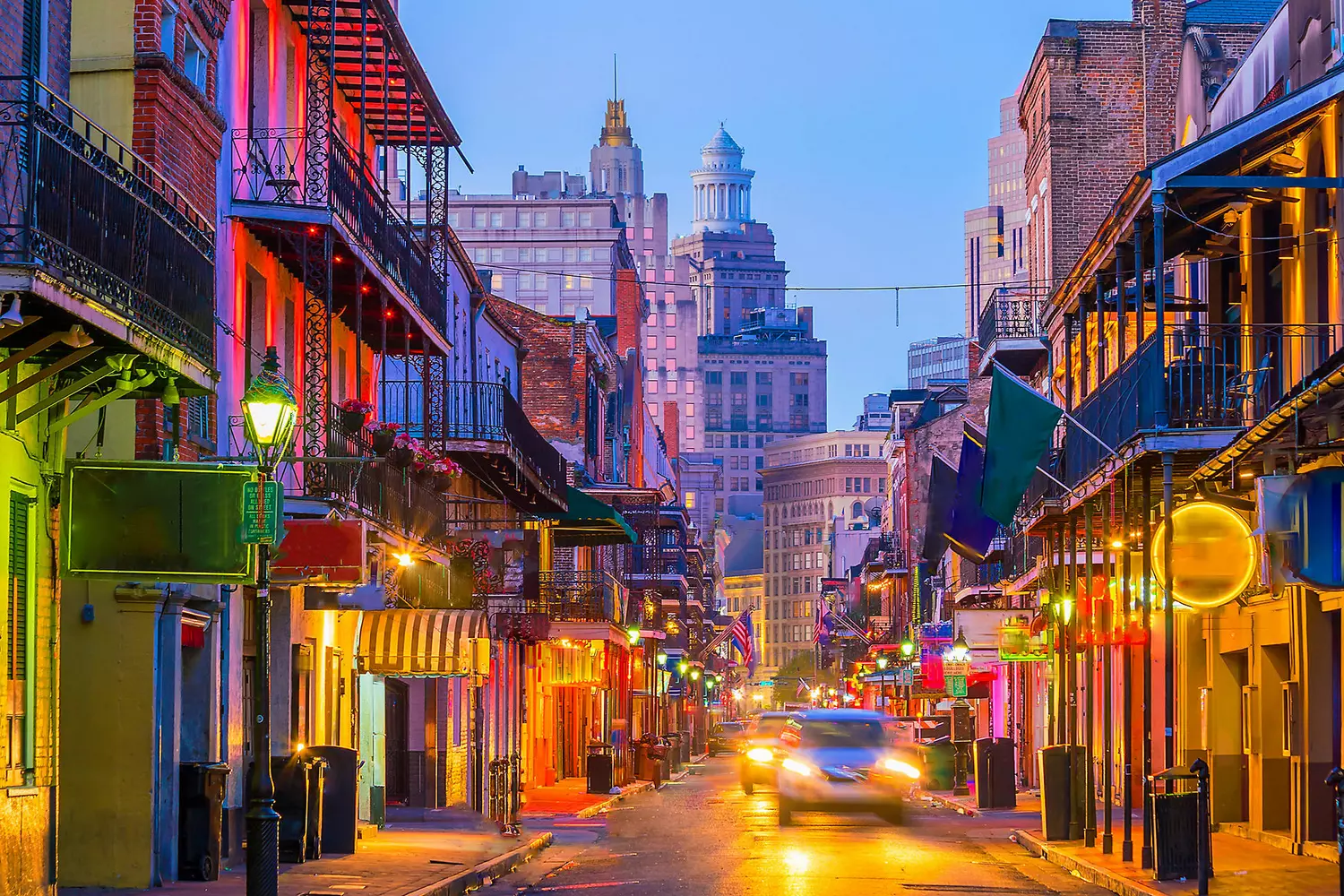


If you ask an American, “What are you doing this weekend?”, the answer almost never comes out as “nothing.” Even if there are no concrete plans, they will appear — spontaneously, at a friend’s invitation, or simply because that’s how it’s done. In the U.S., weekends are not just a pause between workdays or a time to “recover from fatigue.” They are a separate way of life, with their own rules, rituals, and social meaning.
The American weekend is active, full, and almost always outward-focused: on people, events, movement, and experiences. Spending two days in a row within four walls without a good reason is rare. Even downtime at home usually involves guests, a family barbecue, or preparation for the next outing.
For newcomers, this can seem unusual. Especially if you’re used to the idea that weekends are your legal right to do nothing: sleep in, stay in pajamas until noon, close the doors, and just be alone. In American culture, this model exists, but it is more of an exception than the norm.
Why is this the case? It’s not just about mentality or “hyperactivity,” as outsiders often assume. American weekends are the result of lifestyle, urban structure, long distances, a culture of planning, and strong social orientation. Here, free time is a valuable resource, and people aim to fill it with meaning rather than leave it empty.
That’s why on Saturday mornings, restaurants are packed for brunches, parking lots at children’s sports fields are full, highways are busy with traffic, and local markets and festivals become gathering points for entire neighborhoods. Weekends in the U.S. are when the country comes alive most vividly.
What exactly do Americans do on Saturdays and Sundays? Why do garage sales become family events, a several-hour trip is considered a “quick getaway,” and sports serve as a social activity? And most importantly — why does the idea of “just staying home” often feel less like rest and more like a missed opportunity?
Let’s take a detailed look — from brunches and kids’ activities to road trips and sports as a social ritual.

In the U.S., there’s a term called “Sunday Scaries” — the anxiety people feel on Sunday evenings. Psychologists note, however, that those who spend their weekends actively experience it significantly less than those who stay home all the time.
Weekends as an Extension of Identity: Why Rest in the U.S. Isn’t a Pause, but a Change of Role
In American culture, weekends are not seen as a “break” or simply time to wait out the workweek. Rather, they represent a shift into a different mode of life, where not only the schedule but also one’s social role changes. From Monday to Friday, you are a professional, specialist, employee, or manager. On Saturday and Sunday, you become a friend, parent, community participant, athlete, volunteer, or traveler. And it is this change of roles that is considered a full and proper form of rest.
Americans, in general, are very sensitive to the concept of time. Wasting time is uncommon — even relaxation is approached deliberately. That’s why the workweek and weekends are clearly divided by purpose and meaning. Work is for career, income, and professional growth. Weekends are for everything else that makes life fulfilling.
Hence the established phrase weekend plans. It’s used even when no concrete plans exist yet. The mere expectation that plans should exist is embedded in the culture. If an American says, “I don’t have weekend plans yet,” it is not a final state — it’s a temporary pause. Most likely, within an hour, an invitation, idea, or itinerary will appear.
- 01. Weekends as social capital
It’s important to understand: in the U.S., weekends are not only personal time but also a form of social interaction. How a person spends Saturday and Sunday often says as much about them as their profession.
Trips to farmers markets, participation in sports leagues, out-of-town excursions, kids’ activities, volunteering, or meeting with friends — all of these build social capital. People meet, maintain connections, and become part of local communities. Even a simple phrase like “we went hiking” or “we attended a school game” automatically places a person in a specific context — active, engaged, social. That’s why the question, “What did you do over the weekend?” in the U.S. is rarely empty or casual small talk. It is most often a way to understand:
- Your lifestyle rhythm;
- Whether you have a family or children;
- How active you are;
- Your interests outside of work;
- How you balance personal and social life.
- 02. Why “did nothing” sounds unusual
The answer “did nothing” is not perceived as neutral or complete in the American context. It may prompt mild surprise, sympathy, or a follow-up question: “Are you okay?”
It’s not that Americans can’t relax or are afraid of silence. A passive weekend — without movement, socializing, or experiences — simply doesn’t fit the cultural norm. It is associated either with illness, extreme fatigue, or a temporary lull. Importantly, activity does not always mean physical exertion or a packed schedule. Even watching a movie at a friend’s house or having a backyard barbecue is still a social format rather than isolation. - 03. Meaningful time as a value
The American weekend model is closely tied to the idea of personal effectiveness. If weekdays are about productivity at work, weekends are about productivity in life. Here, the value is not in the quantity of activities but in the feeling that time was well spent. Hence the popularity of:
- Pre-planned schedules;
- Event lists;
- Short trips;
- Regular weekend activities.
Even leisure is seen as a process that should yield results: emotions, experiences, memories, new connections. That’s why weekends become an extension of one’s identity rather than a pause.
- 04. Weekends as a mirror of lifestyle
In American culture, how a person spends their weekend often reveals more about them than a résumé. It’s a reflection of lifestyle, values, and priorities. Some spend every Saturday taking children to competitions, some participate in charity runs, others explore new towns within a few hours’ drive. All of these formats are equally valid — what matters is not what you do, but that you are living rather than pausing life. This is why weekends in the U.S. are not “rest” in the conventional sense, but a conscious shift in the mode of life.
Brunch as a Must-Have Ritual: How a “Proper” Weekend Starts in America
In American culture, brunch is much more than a late breakfast. It is an informal start to the weekend, a social anchor, and an almost sacred ritual that brings people together regardless of age, status, or family situation. For many Americans, a Saturday or Sunday without brunch feels as strange as a workweek without morning coffee.
It’s important to understand right away: brunch in the U.S. isn’t about food itself. The meal is just an excuse. The real value of brunch lies in conversation, atmosphere, and the feeling that the day has started “properly.”
- 01. What brunch really means in America
The classic American brunch takes place between 10:00 a.m. and 2:00 p.m., though in practice the timing is flexible. No one is in a rush. No one is checking the clock. It’s one of the few formats where being late is not considered a breach of etiquette. Typical brunch venues include:
- City restaurants and cozy cafés;
- Rooftops with city views;
- Patios and terraces;
- Backyard patios at private homes.
Waiting in line is completely normal. At popular spots, you might wait 30–60 minutes, and no one is annoyed. People chat, get to know each other, browse the menu, and discuss plans for the day. The wait is part of the ritual, not a drawback.
At the table, you might see friends, families with children and strollers, couples, colleagues, or neighbors. Brunch unites people who might rarely interact in daily life.
- 02. Why brunch is more than just a meal
Americans rarely use the word brunch to simply mean “to eat.” Most often, it is a social event that fulfills several purposes at once. Brunch is:
- An excuse to leave the house without a specific reason;
- A safe way to socialize (informal, but not too personal);
- A way to start the weekend gently;
- A bridge between morning laziness and daytime activity.
It’s uncommon to eat quickly and leave. People can linger at the table for hours, ordering coffee, cocktails, and desserts. Conversations flow naturally from everyday topics to personal matters, from plans for the day to events of the week.
- 03. Brunch cocktails: a cultural phenomenon
One of the most recognizable aspects of American brunch is daytime alcohol. Mimosas, Bloody Marys, Bellinis have long become brunch symbols. It’s one of the rare cases where a culinary tradition directly influenced legislation.
Important: Alcohol here isn’t about “drinking”; it’s about creating a relaxed atmosphere. No one is rushing or overindulging. The cocktail is part of the mood, not the purpose of the visit. - 04. Brunch as social glue
Brunch serves an important social function. It is one of the easiest and safest ways to maintain connections with friends, relatives, colleagues, and new acquaintances. It is at brunches that people discuss moves and plans, introduce new partners, schedule future meetings, and “catch up” after a busy week.
It’s no coincidence that many business and social relationships in the U.S. start with the phrase: “Let’s go to brunch.” - 05. Why restaurants make the most revenue from brunch
In major U.S. cities — New York, Los Angeles, Miami, Chicago — brunch has long become a separate business model. Many restaurants scale back weekday menus, expand brunch offerings, create fixed deals, and focus on atmosphere and service.
Weekend brunches often generate more revenue than the entire workweek. The reason is simple: high seating turnover, long visits, additional orders, and a steady stream of guests.
Fun fact: In some states, alcohol was traditionally prohibited from being sold on Sundays until a certain hour. However, the popularity of brunch led to a change in these rules. This gave rise to so-called Sunday Brunch Laws — laws allowing alcohol service earlier than usual. Brunch signals that the weekend has officially begun.
For Americans, brunch is a symbolic moment when the workweek is fully behind them. Before brunch, one might still be “in limbo,” checking emails or discussing tasks. After brunch, the real Saturday or Sunday begins.
That’s why brunch is considered the proper entry point into the weekend. It sets the rhythm, mood, and direction for the entire day. Perhaps this is why Americans are so attached to it: brunch helps smoothly transition from obligations to enjoyment without stepping out of social life.
Weekends on a Child’s Schedule: How Kids Set the Pace of American Family Life
In American families with children, weekends rarely belong entirely to the adults. On the contrary, children often become the main “planners” of Saturday and Sunday. Their schedules, practices, performances, and meetings shape the day’s itinerary, wake-up times, and even the direction of trips. And this is not seen as a limitation or a forced sacrifice — for most families, it is a natural part of life.
In the U.S., it is normal for adults’ personal plans to temporarily take a back seat. Childhood is considered an active stage of life that should be filled with opportunities, experiences, and movement. Weekends are the perfect time for that.
- 01. What a typical American weekend with kids looks like
The weekend schedule in a family with a child often resembles a well-thought-out timetable. Spontaneity is possible, but within an existing structure. Most weekends include:
- Sports classes: soccer, baseball, basketball, swimming, gymnastics;
- Competitions and matches, sometimes in neighboring towns or districts;
- Clubs and studios — music, dance, theater, robotics, art classes;
- Workshops and educational programs;
- Birthday parties, almost always scheduled for Saturday or Sunday;
- Family outings — short trips, museums, parks, zoos.
The day may start very early. Waking up at 6–7 a.m. for a game in another city is common. The car is packed with sports gear, snacks, water bottles, folding chairs. This is not stressful — it’s part of the routine.
- 02. Why parents consider this normal
From the outside, it may seem that American parents “live according to their children’s schedule.” But within the system, it is perceived differently. First, kids’ activities are viewed as an investment — in health, skills, confidence, and socialization. Second, weekends are a time when adults are not working anyway, so they can be present. Moreover, parental participation is usually expected. Children are not just dropped off; parents stay to watch matches, socialize, support the kids, and take part in the life of the team or group. - 03. Kids’ activities as a social platform for adults
One of the most important but less obvious aspects of American kids’ activities is that they serve not only children but also parents. While kids train or perform:
- Parents meet and get to know each other;
- Start conversations;
- Exchange recommendations;
- Discuss schools, neighborhoods, doctors, and extracurriculars.
Over time, these conversations form local communities. People begin recognizing each other, greeting, helping, and joining groups. For newcomers, this is one of the fastest ways to integrate.
- 04. Communities that extend beyond kids’ clubs
Social ties formed around children’s activities often extend far beyond classes and matches. Friendships develop between families who later spend weekends together, take trips, exchange professional advice, or support each other in challenging situations.
It’s not uncommon for parents to meet at a kids’ soccer field and, years later, become business partners or close friends. In this sense, kids’ activities are a powerful social tool. - 05. Birthday parties as a distinct culture
Children’s birthdays in the U.S. are also part of weekend rituals. Parties almost always take place on weekends, in designated spaces — parks, studios, gyms — with clear organization and timing.
Invitations are sent out in advance, often specifying start and end times. Parents know that the celebration is not only for the kids but also for themselves: an opportunity to socialize, meet others, and strengthen connections. - 06. Trips for the kids are the norm, not the exception
American families are comfortable traveling for children’s activities. Driving a few hours for a tournament or festival is common. These trips turn into mini road trips, bringing the family together and creating shared memories. Children grow up understanding that participation and movement are a natural part of life.
The “weekends around kids” model in the U.S. is based not on obligation but on values: engagement, support, community, and a long-term perspective on development.
It is considered normal to invest time and energy in childhood without expecting immediate returns. Weekends become a space where the family truly lives together, rather than just existing under one roof.
For Americans, weekends with children are not lost personal time but a foundation for future habits, relationships, and confidence. It is in those early wake-ups, rainy matches, and trips to neighboring towns that the sense of life as participation — not observation — is formed.
And perhaps this is why this model has taken root so firmly and is perceived as a natural part of the American lifestyle.
Hunting for Stories: Why Garage Sales and Flea Markets Are the Soul of the American Weekend
Garage sales and flea markets are among the most underrated yet highly illustrative phenomena of American life. To newcomers, they can often seem unusual: people put old items out in front of their homes, strangers dig through boxes, and everyone haggles over a few dollars. But looking deeper, it becomes clear — this isn’t about saving money or financial necessity. It’s about attitudes toward belongings, neighbors, and the process of life itself.
In the U.S., a garage sale is not a junk sale. It’s a social event, a weekend ritual, and a form of local interaction that has seamlessly become part of the culture.
- 01. What a garage sale really is
A classic garage sale happens on weekends, usually Saturday morning. Residents display items right at home: on driveways, in garages, or in yards. Sometimes it’s just one family; other times, an entire street or neighborhood participates. In the latter case, it turns into a full-scale event with maps, signs, and a steady flow of visitors.
Items for sale can include clothing and shoes, toys and books, furniture and home decor, kitchenware, sports gear, and electronics. Prices are symbolic, often just a few dollars, and by the end of the day, some items may be given away for free. And this is perfectly normal. - 02. Why it’s not about poverty
One of the most common myths is that garage sales exist because of financial necessity. In reality, families of all income levels participate, including well-off households. The reasons are simple:
- In American culture, possessions are not meant to sit unused;
- If an item is no longer needed by one person, it can be useful to another. Selling isn’t about making money — it’s about freeing up space, giving items a second life, and avoiding waste.
This is part of a philosophy of mindful consumption, long embedded in the culture.
- 03. The thrill of the treasure hunt
One of the main appeals of garage sales is the excitement. You never know what you might find: a rare book, a vintage lamp, a children’s toy in perfect condition, or a unique item with a story.
The search becomes a game. That’s why people will drive through multiple neighborhoods, stopping at every house with a “Garage Sale” sign. - 04. Social interaction with neighbors and strangers
Garage sales are one of the few formats where conversation starts easily and naturally. People ask about items, negotiate, and share stories. Lively, casual dialogues emerge. For new residents, it’s one of the best ways to meet neighbors, feel the community, and become part of local life. There’s no need to invent a reason to talk — it’s built in. - 05. Family tradition involving children
In many households, garage sales are a family affair. Children help set up items, learn to count money, interact with buyers, and understand the value of possessions and work.
For them, it’s not a chore but a game and learning experience. This builds respect for belongings and awareness that items can have multiple lives. - 06. An eco-friendly approach embedded in daily life
Garage sales and flea markets are part of a sustainable lifestyle, even if participants don’t label it “eco-friendly.” Reuse, exchange, and resale reduce waste and overproduction. The key is that this approach is natural and voluntary, not imposed. - 07. Flea markets: scale and atmosphere
Flea markets are a larger and more diverse version of garage sales. They can take place outdoors, in pavilions, or in repurposed industrial spaces.
You can find vintage clothing and accessories, antiques, handmade crafts, art pieces, street food, music, and live performances. For many families, visiting a flea market is an essential weekend activity. It’s not just shopping — it’s a stroll, an event, and an experience. - 08. Why this has become a weekend staple
Garage sales and flea markets fit perfectly into the American weekend philosophy:
- Active, but not stressful;
- Social, but not obligatory;
- Spontaneous, but expected.
In American culture, possessions often serve as a reason to connect with others rather than an end in themselves. Garage sales and flea markets are a vivid example of this. Here, people value not perfect order or novelty, but stories, interaction, and the feeling of real life. And perhaps, that is where their true worth lies.
“Just a Couple of Hours by Car”: Why One-Day Road Trips Are a Normal Part of American Weekends
In the U.S., the perception of distance is completely different from Europe. Where a European might consider a 200–300 km trip a separate journey requiring an overnight stay, for an American it’s just a regular day trip. The phrase “It’s not far” can mean two, three, or even four hours one way — with no irony or exaggeration.
Day-long road trips are one of the most enduring and beloved weekend formats in America. They offer a way to change the scenery, step out of the usual environment, and feel movement without stepping out of everyday life.
- 01. Why distances in the U.S. “feel different”
There are several systemic reasons: the vast territory, a developed network of highways, a culture of personal cars, and the habit of planning life around trips.
Americans grow up with the idea that the car is an extension of the home. They spend a lot of time in it — eating, talking, listening to music, handling tasks. So several hours behind the wheel is not seen as a burden, but as a natural state. - 02. What a “one-day” road trip really means
A day-long road trip is a trip without an overnight stay, yet it feels like a full adventure. People leave early, spend the day elsewhere, and return home in the evening, tired but satisfied. Such trips are seen as quick, accessible, and requiring minimal preparation. That’s why road trips are so popular on weekends — they don’t need vacation time but provide a sense of change. - 03. Where Americans go on weekends
Routes vary by region, but the logic is similar everywhere. Most often they include:
- The ocean or lakes — even if it takes several hours to get there;
- National parks and natural reserves;
- Small towns with history, cafés, and a main street;
- Festivals and fairs held only on weekends;
- Scenic viewpoints, waterfalls, canyons, beaches, forest trails.
Sometimes the destination is secondary. The important part is not where, but going.
- 04. The journey matters more than the destination
A U.S. road trip is a distinct ritual where every detail counts. Essential elements include:
- A pre-made playlist or favorite radio station;
- To-go coffee at the start;
- Snacks in the car;
- Unhurried, distraction-free conversations.
The car becomes a space where no one constantly checks their phone, where it’s easier to talk about important things, and where a sense of closeness emerges.
- 05. The best conversations happen on the road
Many Americans admit that the most honest and heartfelt family conversations happen in the car. The reason is simple — no eye contact, no pressure, no feeling of “interrogation.” Conversations flow naturally. On the road, people discuss plans, memories, emotions, dreams, and small daily details they don’t have time for at home. This is especially noticeable in families with children: parents often learn more about their kids during road trips than anywhere else. - 06. Mini-adventures without stress
Day trips provide what’s missing in the workweek: a change of scenery, a sense of freedom, and the feeling that the weekend was well spent. They require no complex logistics, packing, or extensive planning. You can decide in the morning — and be on the road within an hour. - 07. Why road trips fit so naturally into weekends
Road trips perfectly align with the American weekend philosophy: activity without overload, movement without rush, experiences without obligations.
They allow people to break from routine without disrupting their normal life rhythm. That’s why the phrase “just go for a day” sounds logical and natural to Americans.
In the U.S., the road is not just a gap between points — it’s a full part of the experience. Day-long road trips embody this philosophy: they teach people to value the journey, the conversations, and the act of moving itself.
And perhaps that’s why Americans so easily agree to drive “just a couple of hours” — because they know the most interesting moments start long before they arrive.
“Leave and return by dinner”: the most popular day-trip routes in the U.S.
Day trips in America rarely happen as a spontaneous “wherever the road takes you.” Even simple routes over time become classic weekend destinations known and recommended by locals. These are places you can leave early in the morning, spend a full day, and return home without an overnight stay — with the feeling of having experienced a mini-journey.
Such routes exist in almost every region of the country, and each state has its own “escape points.”
- 01. Escape to the water: oceans, beaches, and lakes
Water is one of the most popular destinations for day trips. Even if the journey takes several hours, Americans aren’t deterred. Typical routes include:
- New Yorkers head to the Atlantic Ocean or nearby islands;
- From Los Angeles, people drive to the California coast;
- Chicago residents choose the lakes and beaches of Michigan;
- In southern states, coastal towns and bays are popular.
Such trips rarely require a strict plan. People stroll, drink coffee, sit by the water, eat simple meals, and just change their rhythm. The main thing is the feeling of space and fresh air.
- 02. National parks and natural areas
For many Americans, national parks are not exotic — they are part of everyday life. A day-long road trip to a park is seen as the perfect way to “reset.” Attractions include:
- Hiking trails of varying difficulty;
- Waterfalls, canyons, forests;
- Scenic viewpoints;
- A sense of calm and scale.
People often drive several hours for just a couple of hours of walking — and that’s enough. Nature here acts as a stress reliever without words.
- 03. Small towns with character
One favorite destination for day trips is small towns 1.5–3 hours away. Why people go there:
- Cozy main streets;
- Local cafés and bakeries;
- Antique shops and flea markets;
- Historic buildings;
- The feeling of a “different life.”
These trips are especially popular among couples and families without a rigid schedule. The goal is the atmosphere, not sightseeing.
- 04. Festivals, fairs, and seasonal events
Weekend road trips are often tied to events. In the U.S., there are constantly:
- Food festivals;
- Farmers’ markets;
- Seasonal holidays.
People are willing to drive several hours for a single day at a festival, knowing it will be lively, full, and unlike a regular weekend. These trips add spontaneity and a festive feeling.
- 05. Scenic viewpoints and “views for the sake of the view”
In the U.S., routes where the destination is a view are popular. Overlooks, cliffs, mountain passes, and canyons become reasons for a trip. Often it’s a short walk, a photo, coffee from a thermos, a few minutes of quiet. And that’s enough to make the weekend memorable. - 06. Food-focused routes
A separate category is trips centered around food. Americans enjoy:
- Driving to a nearby town for a famous restaurant;
- Trying local specialties;
- Visiting wineries and breweries.
These routes often focus on one destination, but the journey and conversations make the trip a full experience.
- 07. Why these routes work
Popular day-trip routes share several factors: accessibility, clear logistics, no need for an overnight stay, and the feeling of a mini-vacation. They don’t require extensive planning but deliver results — emotions, experiences, and a sense of movement.
Over time, such trips become traditions. People take the same routes again and again — not for novelty, but for the familiar feeling of freedom and change of scenery.
And that’s the essence of American road trips: it’s not about the miles or destinations, but the opportunity to break out of the routine and return refreshed, even if only for a single day.
American Mentality: Key Traits and Core Values
Not for Records, but for Each Other: Sport as a Social Language of the American Weekend
In the U.S., sport is rarely seen solely as a way to “get in shape” or break personal records. Far more often, it serves another, equally important function — social. Here, sport is a language through which people meet, connect, and become part of a community. That’s why sports activities are so naturally woven into weekends and almost always extend beyond just the exercise itself.
For an American, participating in a sports activity is a way to tell the world: “I’m here, I’m active, I belong to a group.”
- 01. Sport without pressure to perform
One of the key features of the American approach is the lack of a strict focus on achievement. Yes, professional sports are developed and popular, but in everyday life participation matters more than victory. In amateur settings, no one asks how fast you run a mile, how much weight you lift, or how flexible you are.
What matters most is: did you show up, are you with the team, are you participating or observing? This removes the fear of “not being good enough” and makes sports accessible for all ages and skill levels. - 02. Weekend sports formats
Sports activities in the U.S. are diverse and easily fit into a weekend schedule. The most common formats include:
- Morning running clubs
Regular meetups in the same location. - Yoga in the park
Free or low-cost outdoor classes. - Bike rides
Through the city or beyond. - Amateur leagues
Soccer, basketball, softball, volleyball. - School and college games
Events that bring the whole community together.
Each format involves not only physical activity but also social interaction before and after.
- 03. Running clubs as social entry points
Running clubs are a vivid example of how sport becomes a social ritual. People gather on a specific day and time, run at a comfortable pace, and often go for coffee afterward, breakfast together, discussing news and plans.
Running speed is secondary. Regularity and belonging matter most. That’s why many people stick to the same club for years without aiming to improve their performance. - 04. Amateur leagues and team spirit
Amateur sports leagues are an important part of American culture. Teams form by neighborhood, workplace, acquaintances, or online platforms. Games happen on weekends and become recurring events. After matches, participants often go to a bar or café together, discuss the game, and plan the next meetup. This fosters a sense of team and support that extends far beyond the playing field. - 06. Why sport works as social glue
Sport brings people together for several reasons:
- It doesn’t require deep personal conversation right away;
- It provides a shared context;
- It creates regular meeting opportunities;
- It removes the awkwardness of introductions.
A person can be introverted, new, or not very talkative — participation in sports gives a legitimate reason to be among people.
In American culture, consistency matters more than intensity. It’s better to show up and walk than stay home because “I’m not in shape.” That’s why sports are so firmly integrated into weekends: they create rhythm, structure, and the feeling of life in motion.
For many Americans, saying “I run on weekends” or “I play in an amateur league” is part of their self-description. It’s not a temporary hobby but a lifestyle element. Here, sport ceases to be a separate activity and becomes a social ritual that connects people, provides a sense of belonging, and makes weekends truly alive.
Weekends with Purpose: How Volunteering Became an American Ritual
In the U.S., volunteering is not rare nor a “necessity due to circumstances,” but an organic part of life that naturally fits into weekdays and especially weekends. For many Americans, Saturday or Sunday is a time to do something for others, for society, or for the local community. It’s not just a good deed — it’s a lifestyle and a way to express one’s values.
Volunteering is viewed as equivalent to other typical weekend activities: brunch, walks, sports, or day trips. The difference is that it provides tangible benefits to others while simultaneously building social connections.
- 01. Forms of volunteering
Americans can choose from a variety of ways to participate:
- Animal shelters
Feeding, walking dogs, assisting with animal care. For many families, this is not only helping but also a way to teach children responsibility and empathy. - Charity runs and marathons
Participation in events to raise funds for a cause. Even for non-professional runners, involvement creates a sense of contribution and belonging. - Community events
Helping at local festivals, fairs, or cultural events — from handing out flyers to setting up tents and equipment. - Supporting local initiatives
Raising funds for schools, helping elderly neighbors, planting trees, cleaning parks.
These activities are usually scheduled on weekends when people have free time to give to others as well as themselves.
- 02. Why volunteering is more than a “good deed”
For Americans, volunteering serves several key functions simultaneously:
- A way to be useful
Outside of work and family, a person can make a difference in others’ lives and see the impact of their actions. This gives a sense of significance and control. - Teaching children
Many families involve children from a young age. Kids learn empathy, responsibility, and social skills through participation. - Element of civic responsibility
Volunteering is seen as a natural duty of a citizen — a way to participate in community life. It’s not forced but a personal choice reinforced by culture.
- 03. Social impact
Volunteering creates a social glue. People meet neighbors, colleagues, and new acquaintances in a relaxed environment. Over time, local communities, clubs, friendships, and even professional networks form.
Participating in charity runs, for instance, can be a reason to meet friends, spend time as a family, and support an important cause. This approach makes volunteering an integrated part of life rather than a mandatory obligation.
Americans value weekends spent meaningfully. Volunteering fits perfectly because it combines:
- Activity and movement;
- A tangible sense of accomplishment;
- Social interaction;
- Personal satisfaction.
Even a couple of hours at a shelter or a community event leaves the feeling that the day was well spent. This reflects the cultural logic of American weekends: every day outside work is an opportunity to make the world a bit better while strengthening one’s sense of community.
Farmers Markets and Local Events: The Heart of the American Weekend
For many Americans, a Saturday or Sunday without a visit to a farmers market is almost unthinkable. These markets have long ceased to be merely places to buy groceries: they have become social hubs for neighborhoods, spaces for meetings and information exchange, where life flows at its own special rhythm.
A farmers market is not a supermarket and not just about shopping. It is an experience, an impression, a small celebration that allows people to feel part of the community.
- 01. What happens at the market
Several activities happen simultaneously at a farmers market:
- Buying fresh produce
Visitors can find seasonal fruits and vegetables, fresh dairy, meat, eggs, bread, honey, herbs, and spices. People come not only for staples but also for unusual fruit varieties, rare herbs, or homemade baked goods. - Talking with farmers
Sellers are often the producers themselves. They happily share how they grow crops, details about varieties, or recipe ideas. For buyers, it’s a chance to understand the source of their food and feel a connection to the land — a meaningful experience in urban life. - Tastings
Many markets allow customers to sample products on the spot: cheeses, jams, bread, honey, or farm-made drinks. This interactive aspect makes shopping entertaining rather than routine. - Music and entertainment
Live performances by musicians create a festive atmosphere. Larger markets may feature jazz bands, folk artists, or school ensembles, making the market a space for cultural leisure. - Kids’ zones and activities
Markets often include play areas, workshops, or mini petting zoos. Children learn to explore new foods, participate in simple culinary activities, while parents can stroll the aisles at ease.
- 02. Why farmers markets are more than just markets
In American cities and suburbs, farmers markets function as social platforms where meetings, information exchange, and neighborhood connections occur:
- Neighbors catch up on local news;
- Discuss events and plan joint activities;
- New residents meet regular participants;
- Mini-communities and interest-based clubs form.
Essentially, it’s a neighborhood meeting point where everyone can feel part of the community, not just a shopper.
- 03. Local events as an extension of the market
Many farmers markets naturally evolve into venues for local events, including:
- Food festivals;
- Craft workshops;
- Wine or craft beer tastings;
- Harvest celebrations;
- Concerts and performances by local artists.
These events transform a simple market into a central weekend destination, where both adults and children gain experiences rather than just groceries.
- 04. Why Americans love such weekends
Farmers markets and local events combine key elements of ideal weekends:
- Social interaction
Meet acquaintances, get to know neighbors, discuss local news. - Entertainment
Music, workshops, and tastings turn grocery shopping into an event. - Lifestyle
Visiting the market is a habit, a way to stay active and engaged in the neighborhood. - Educational effect
Children and adults learn to appreciate food, understand its origin, and participate in local culture.
Thus, the farmers market is not merely a marketplace — it is the living heart of American weekends, where neighborhood, culture, and gastronomy intertwine into a rich and cozy experience.
Beyond the Obvious: Other Favorite Weekend Activities of Americans
American weekends are not limited to brunches, kids’ activities, garage sales, road trips, or sports. If you look closer, you’ll see that weekend activities are diverse and almost endless. They reflect the values, lifestyle, and cultural habits of Americans.
- 01. Nature and outdoor recreation
Americans enjoy spending time in nature, beyond short road trips. Popular formats include:
- Picnics in parks or by lakes
These can range from relaxed gatherings with friends to full family events with games, barbecues, and mini-concerts. - Hiking and trail walks
The US has a rich hiking culture. Trails vary in difficulty, and even a short walk can become a proper adventure. - Weekend camping
Many families or groups of friends opt for overnight trips in tents or campgrounds near the city.
- 02. Cultural events and art
Weekends are often dedicated to cultural exploration:
- Visiting museums, exhibitions, and galleries
In big cities, free or discounted tours are often available every weekend. - Theater and shows
Americans enjoy stand-up, community theater, and improv performances. - Outdoor concerts
During warm months, parks and squares host jazz or rock concerts.
- 03. Culinary adventures
Food and gastronomy are an essential part of weekends. Americans enjoy:
- Food tours in neighborhoods or cities
Short excursions through local cafes, bakeries, and coffee shops. - Cooking classes
Hands-on workshops for both adults and kids. - Wine tastings and brewery tours
Many focus on local producers and farm-to-table products.
American Butler offers specialized culinary packages where planning, reservations, and tastings are organized in advance.
- 04. Educational workshops and classes
For those who want a productive weekend, popular options include:
- Art & craft workshops
Working with clay, painting, and handcrafts. - Dance & music classes
From dance studios to group lessons on guitar or piano. - STEM and culinary workshops for kids
Parents use these to develop children’s skills in a casual, fun way.
- 05. Water activities
Not all road trips are about beaches or lakes. Weekend activities often include:
- Kayaking, paddleboarding, and canoeing
These water sports are popular near rivers, lakes, and coasts. - Fishing trips
Fishing remains a beloved family and men’s pastime on weekends. - Sailing and boat tours
Especially popular in coastal regions.
American Butler organizes all water activities, including equipment rental and instructors, to ensure safe and comfortable outings.
- 06. Family entertainment and leisure
- Amusement parks and zoo trips
Classic family weekend activities. - Escape rooms and interactive quests
Great for friends’ groups and teenagers. - Movie nights and outdoor cinema
Especially in summer, with picnics and blankets.
All these activities share one thing: they allow people to spend weekends actively, interestingly, and meaningfully, rather than just “staying at home.” For Americans, a day without activity feels almost empty.
This is why American Butler creates packages where everyone can design their unique weekend, combining familiar and new experiences — from brunches to art workshops and outdoor adventures.
Why Americans Can’t “Just Stay Home”: The Systemic Logic of Active Weekends
For many Americans, asking “What do you do on weekends?” rarely gets the answer “nothing.” Even without strict plans, the day is usually full of activities — walks, sports, social gatherings, cultural events. This isn’t accidental, but the result of deep cultural, social, and psychological factors shaping life in the US.
Here’s why “just staying home” often feels unusual or even unsettling for Americans:
- 01. Home is a private fortress, not the center of life
The home is seen as personal space, not a hub for social interactions. - 02. Privacy is highly valued
Unlike many European countries, Americans more often invite friends or neighbors outdoors — to cafes, events, or parks — rather than into their homes. - 03. Home as a recovery zone
Homes are for rest, hobbies, and family time, while most social contact happens outside. Spending the entire day at home is voluntarily isolating, which feels unusual or slightly stressful for many. - 04. Fear of missing out (FOMO)
FOMO is widespread in the US culture.
- People worry about missing interesting events, gatherings, or important life moments.
- Social media and local event announcements reinforce the sense that each day is full of opportunities, and not participating means “falling behind.”
- Even passive activities like reading at home feel less valuable than active, live experiences. This explains why Americans often spontaneously go to farmers markets, parks, or sporting events — to be part of life rather than observe it from the sidelines.
- 05. The habit of planning
Even seemingly spontaneous activities are often thoughtfully organized.
- “Weekend plans” is a common term implying a schedule for the day or several days.
- Short road trips, festival visits, or meeting friends are usually at least partially planned.
- A spontaneous day at home feels “empty” and unproductive. Planning turns every weekend day into an opportunity for experiences, impressions, and social engagement.
- 06. The culture of movement: activity is the norm
American culture views movement as a standard rhythm:
- Sports, walks, road trips, volunteering, and kids’ activities are all habitual weekend rhythms.
- Passivity is rare and temporary, seen as rest after activity rather than a lifestyle.
- From early age, children and adults are encouraged to be involved even on weekends. Sitting at home is not only boring — it disrupts the normal life rhythm, creating a sense of wasted time.
- 07. Social identity: what you do defines you
Weekend choices are part of how Americans are perceived.
- Your weekend activities contribute to your social identity.
- Brunch with friends, running clubs, volunteering, or visiting farmers markets are both fun and a statement of social engagement.
- Even a simple dog walk or local market visit communicates “how I live and who I interact with.”
- Time at home is private, while time outside is about social life, experiences, and status.
“Just staying home” is not the norm in American culture. The reasons are systemic and interconnected:
- Home is private, life happens outside;
- FOMO creates anxiety about missing out;
- Planning turns weekends into rich experiences;
- Activity is a natural state;
- How time is spent reflects identity and social role.
Altogether, this creates a unique American weekend rhythm — each day filled with movement, events, and interactions, where doing “nothing” feels strange, unproductive, and dull.
Weekends as Part of the American Experience with American Butler
Americans don’t “know how to relax better.” They simply use their free time differently. That’s why:
- Weekends are rarely empty;
- Even downtime looks active;
- Social life doesn’t pause.
Weekends in the U.S. are not a break or a pause. They are a full-fledged part of the culture, through which the country, its people, and way of life are revealed.
If you want to:
- Experience American weekends like a local, not a tourist;
- See the real America beyond the typical attractions;
- Feel the rhythm of life, rather than just “visiting the country” —
it needs to be properly organized.
American Butler helps not just plan a trip, but immerse yourself in the American rhythm of life: from brunch routes and road trips to local events and family activities. Weekends aren’t accidental—they are experiences that stay with you for a long time.
Share