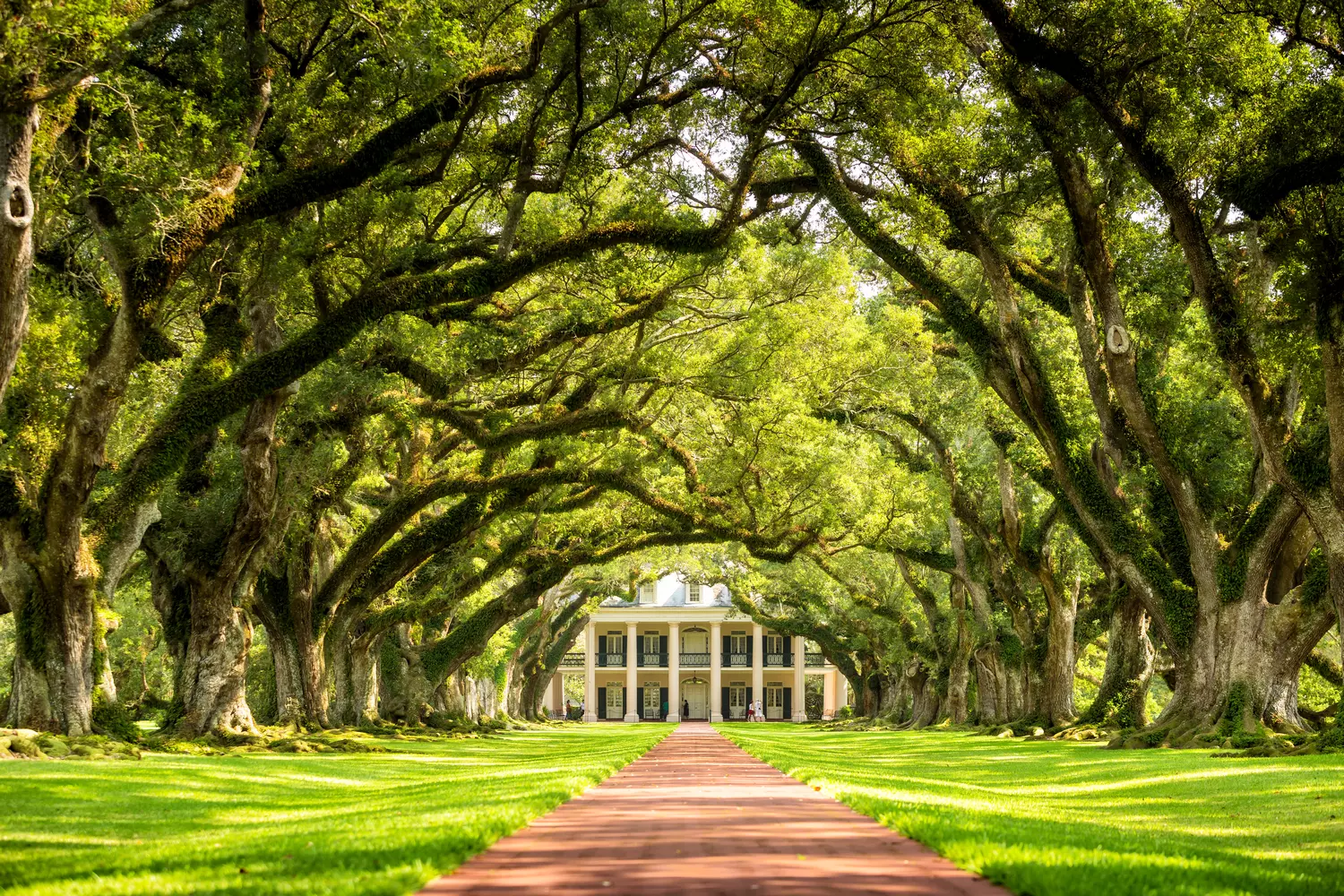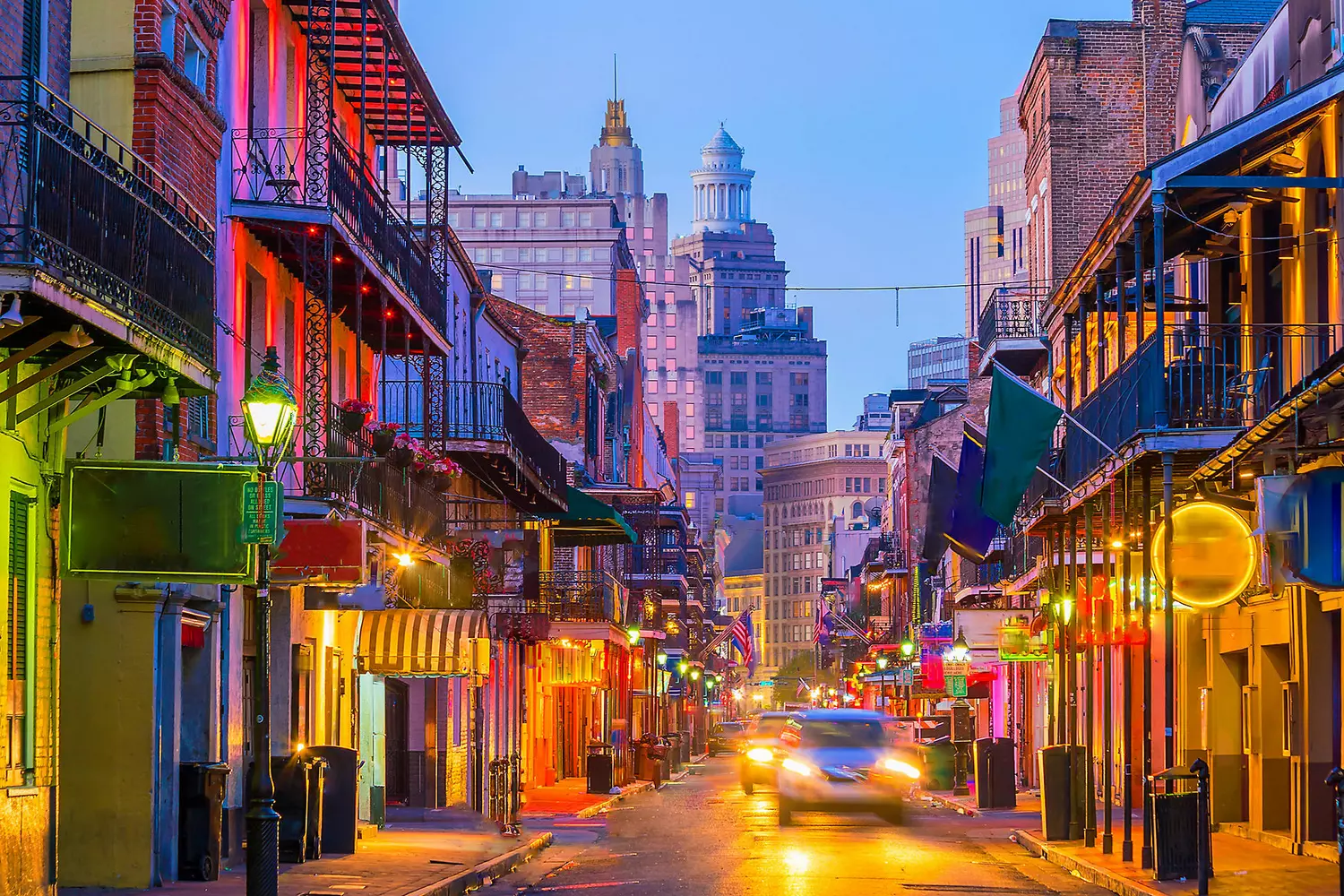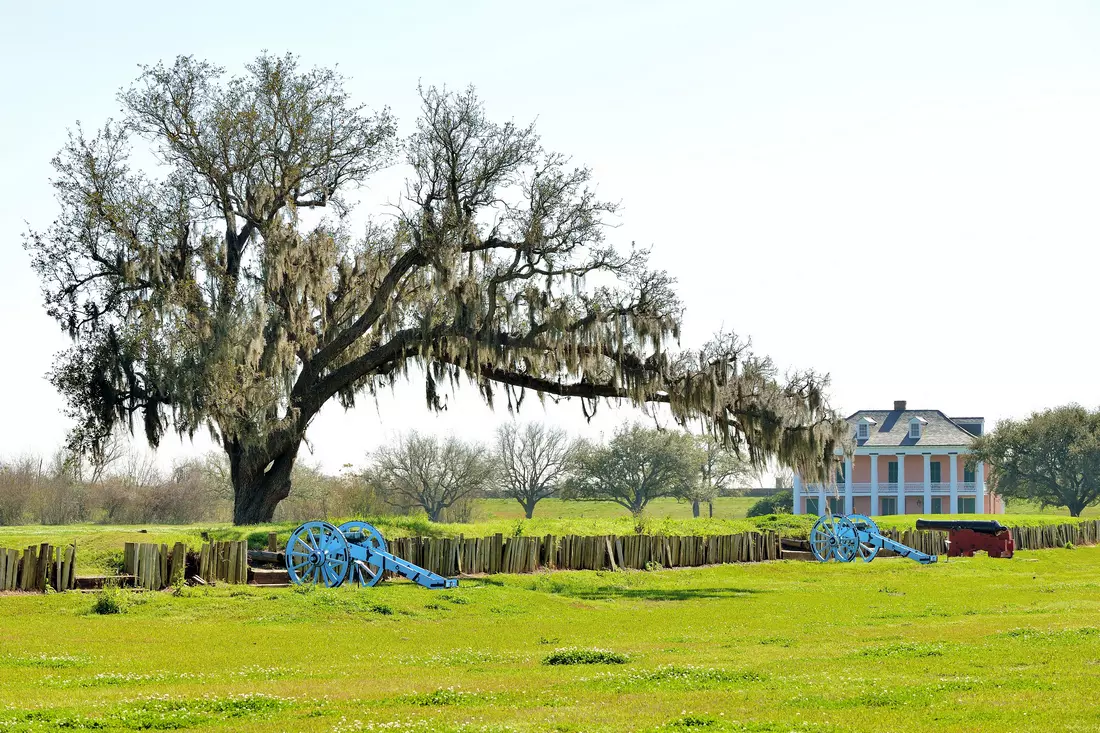


When most travelers plan a trip to Louisiana, their attention usually centers on New Orleans, the majestic plantations along the Mississippi, jazz clubs, the famed French Quarter, or swamp tours where alligators lurk among the cypress trees. These places have long been the state's calling cards, drawing millions of visitors from around the world each year. But just a slight detour from the most beaten paths reveals an entirely different Louisiana — one that is serene, authentic, and remarkably distinctive.
It is here, in the small towns of the state's southern reaches, that the French heritage — shaped over centuries — has been best preserved. Here, the traditions of the first settlers are still held dear; dishes are cooked from time-honored family recipes, evenings come alive with Cajun music, and stories passed down through generations are told with pride. This is the Louisiana that cannot be grasped by visiting only the major tourist hubs.
One such place is St. Martinville — a small, charming, and wonderfully atmospheric town that many call "the Little Paris of Acadiana." Despite its modest size, it holds a special place in the state's history. Here, the French influence is especially palpable, the memory of the first Acadian settlers endures, and the legend of Evangeline has long become woven into the fabric of local culture. Every street, every historic building, and every shaded riverfront reminds visitors of the events that shaped modern Louisiana.
St. Martinville does not try to impress with skyscrapers, luxury resorts, or sprawling entertainment complexes. Its greatest treasure is its atmosphere. There are no noisy crowds of tourists, no endless queues at attractions, and none of the hustle and bustle of a big city. Instead, guests are greeted by historic churches, centuries-old oak trees, cozy public squares, leisurely strolls along Bayou Teche, and a chance to glimpse the lives of locals — a way of life that has largely preserved the traditions of centuries past. This town appeals equally to history buffs, architecture enthusiasts, fans of Cajun cuisine, and those seeking to see genuine American provincial life without tourist trappings. People come here to learn more about the Acadian story, to taste dishes found only in southern Louisiana, to hear live Cajun music, and to soak in the unique atmosphere of Acadiana — a region where French roots remain a vibrant part of everyday life.
If you dream of discovering Louisiana from a fresh perspective, of seeing places rarely mentioned in popular guidebooks, and of experiencing the true character of the American South, St. Martinville will undoubtedly be one of the most memorable stops on your journey.

St. Martinville is often called one of America's most "French" towns. But it's not just the architecture — until the mid-1900s, locals spoke French at home and learned English in school.
St. Martinville — Bayous, Ancient Oaks, and Cajun Country: Geography, Nature, and Local Life
St. Martinville is located in the southern part of the U.S. state of Louisiana, in St. Martin Parish, of which it is the parish seat. The town lies approximately 20 kilometers southeast of Lafayette — the largest city in the Acadiana region — and about 220 kilometers west of New Orleans. This location makes it an excellent fit for any itinerary through the southern part of the state, especially if you want to see not only the big cities but also experience the authentic French Louisiana. Distances to popular tourist destinations include:
- Lafayette — about 20 minutes by car;
- Baton Rouge — about 2 hours;
- New Orleans — approximately 2.5 hours;
- Lake Martin — less than 15 minutes;
- Atchafalaya Swamps — about 30 minutes;
- Breaux Bridge — about 15 minutes;
- Avery Island — about 40 minutes.
Such a location makes St. Martinville a convenient starting point for exploring several of Louisiana's most fascinating corners at once.
The town owes its origin and development to the Bayou Teche, which flows right through it. Despite the word bayou — often translated as "swamp" — Bayou Teche is actually a winding, slow-moving river. For centuries, it was one of the region's main transportation arteries. Long before modern roads were built, it was along Bayou Teche that the first French settlers arrived. Timber, cotton, sugar cane, rice, livestock, and other goods were transported by water. In the 19th century, warehouses, wharves, small factories, and trading houses lined its banks, helping the town gradually become one of Acadiana's economic centers.
Today, the river no longer plays such a vital role in transportation, but it remains a true adornment of the town. Its green banks, old cypress trees, and historic buildings reflected in the water create the very scenes that photographers and lovers of leisurely strolls come here to capture.
- 01. Nature That Has Become a Symbol of Southern Louisiana
The landscapes surrounding St. Martinville bear little resemblance to the familiar America of canyons, mountains, or vast prairies. Here, water reigns. Dozens of small rivers, channels, swamp forests, and lakes surround the town, forming a unique natural system. It is precisely such landscapes that have made Louisiana one of the most distinctive states in the U.S. Particularly impressive are the local cypress swamps. Ancient trees — often several hundred years old — rise directly from the water, their branches adorned with long, silvery-gray Spanish moss. Despite its name, this moss has nothing to do with Spain — it is one of the most recognizable plants of the American South and has long become its symbol. In the surrounding area, you can encounter American alligators, great and snowy egrets, ibises, pelicans, turtles, otters, numerous fish species, and waterfowl. Unsurprisingly, the region is considered one of the best places in the U.S. for ecotourism, birdwatching, and wildlife photography. - 02. In the Heart of Acadiana
St. Martinville lies in the historic region of Acadiana — an area where French traditions and Cajun culture are especially strong. This unofficial region encompasses more than twenty parishes in southern Louisiana. Here, French influence is felt in virtually everything: architecture, cuisine, music, family traditions, and even the local dialect. Many older residents still speak Cajun French, and the names of streets, rivers, and settlements are a reminder of the French roots of these places.
That is precisely why a trip to St. Martinville is an opportunity to encounter not just a small American town, but an entirely distinct cultural world — one that stands apart from the rest of the United States. - 03. Climate: Warm Almost Year-Round
Like all of southern Louisiana, St. Martinville has a humid subtropical climate. Winters are short and mild. Even in January, daytime temperatures typically stay between +15…+20 °C, and snow is a true rarity. Spring arrives very early. By February, magnolias, azaleas, and other southern plants begin to bloom, turning the town's streets into vibrant green avenues. Summer, by contrast, is hot and very humid. Temperatures often exceed +33 °C, and the high humidity makes the heat feel even more intense. That is why most tourists prefer to visit from October to April, when walking through the historic center is especially pleasant. - 04. A Small Town with a Rich History
Today, St. Martinville is a quiet town with a population of just over five thousand. Despite its modest size, it continues to play an important role in the cultural life of Acadiana. There is no frenetic pace of big cities here. People know each other well, many families have lived here for generations, and traditional holidays and festivals draw nearly all the residents. As a result, tourists often note the particularly friendly atmosphere and the genuine hospitality of the locals.
The town's population is culturally diverse. Descendants of French Acadians, Creole families, the African American community, and other ethnic groups have shaped St. Martinville's unique character over the centuries. It is this blending of cultures that has had a profound influence on the local cuisine, music, architecture, and traditions. - 05. What Drives St. Martinville's Economy
Unlike Louisiana's larger cities, St. Martinville's economy is not built around industry or major corporations. Its foundation rests on small business, agriculture, tourism, and services. The outskirts of the town have traditionally been used to grow sugar cane, rice, soybeans, and other crops. These lands are highly fertile thanks to the numerous rivers and the rich alluvial soils formed over thousands of years by the flooding of the Mississippi and local waterways.
Tourism is also playing an increasingly important role. Travelers are drawn to the historic landmarks, French heritage, museums, Cajun culture, natural attractions, and the famous swamps of southern Louisiana. Alongside this, family-run guesthouses, restaurants serving local cuisine, tour operators, and craft workshops are flourishing.
It is this combination of rich history, picturesque nature, a calm pace of life, and carefully preserved traditions that makes St. Martinville one of the most unusual and atmospheric towns in Louisiana. This place does not overwhelm with scale, but it consistently wins hearts with its sincerity, allowing visitors to feel the true soul of the American South.
From Swamp-Edge Trading Post to Acadiana's Cultural Capital: The History of St. Martinville
The history of St. Martinville is the story of the settlement of southern Louisiana, the meeting of different cultures, and the birth of a unique world now known as Acadiana. Unlike many American towns that grew out of the Industrial Revolution or railroads, St. Martinville was shaped gradually, over decades, influenced by French colonists, Indigenous peoples, river trade, and Acadian settlers — the ancestors of today's Cajuns.
Today, the town appears quiet and unhurried, yet several centuries ago it stood as one of the most important centers of French Louisiana and played a prominent role in the development of the entire region.
- 01. Before the Europeans: The Land of the Atakapa People
Long before the arrival of the first Europeans, the territory of present-day St. Martinville belonged to the Native American Atakapa people. These tribes inhabited vast lands along the Gulf Coast, the swamps, and rivers of southern Louisiana. The lives of the Atakapa were intimately tied to water. They hunted, fished, gathered shellfish, and used the numerous bayous as transportation routes. Thanks to the region's rich natural resources, the local people rarely faced food shortages.
When French explorers and colonists began arriving in Louisiana, the Atakapa were among the first Indigenous nations to make contact with them. Relations varied, but trade between the parties developed actively. It was from an Atakapa chief that the French colonist Gabriel Fuselier de la Claire acquired a significant tract of land between the Vermilion River and Bayou Teche — a transaction that would later play a crucial role in the founding of the future town. - 02. The Birth of the Settlement: Poste des Attakapas
The first permanent European settlements appeared here in the mid-18th century. At that time, the area was known as Poste des Attakapas — the "Attakapas Post." It was a small trading post on the banks of Bayou Teche. Thanks to its advantageous location, it quickly became an important hub for the exchange of goods between European settlers, local inhabitants, and travelers moving along the river routes. In those days, roads were virtually nonexistent, so rivers served as the region's main transportation arteries.
Through Poste des Attakapas passed agricultural goods, timber, furs, hunting and fishing products, European merchandise, and building materials. Gradually, homes, farms, and outbuildings began to appear around the trading post, giving rise to the settlement that would become one of Louisiana's most significant historical centers. - 03. The Arrival of the Acadians and the Birth of Cajun Culture
A true turning point in the town's history came in the 1760s. It was then that the Acadians — French-speaking settlers from Canada — began arriving here. A few years earlier, events had unfolded that would become known as the Great Expulsion of the Acadians. After the transfer of Canadian Acadia to British control, thousands of French settlers were forced to leave their homes. Families were torn apart, property was confiscated, and people were sent to various corners of North America.
Some of the exiles made their way to Louisiana. For many, the fertile lands along Bayou Teche became a new home. The Acadians began building farms, growing crops, raising livestock, and gradually forming a unique society where French traditions intertwined with Spanish, African, and American influences. It was from the word Acadian that the term Cajun eventually emerged — the name of the people and culture now regarded as one of Louisiana's defining symbols. - 04. Why the Town Was Named St. Martinville
By the late 18th century, the settlement continued to grow vigorously. A key role in its development was played by the local parish, around which community life was centered. Eventually, the settlement was named St. Martinville in honor of Saint Martin of Tours — one of the most revered Christian saints in France. The name proved highly symbolic. French influence in the town was so strong that many 19th-century travelers remarked that they felt as though they were in a French colony rather than on North American soil. - 05. The Golden Age of the 19th Century
The town reached its greatest prosperity in the 19th century. Thanks to its location on Bayou Teche, St. Martinville became one of the largest trading centers in southern Louisiana. Commercial vessels arrived via the river, carrying products from local farmers and planters. Trade, banking, shipping, craft production, agriculture, and services all flourished. Shops, warehouses, hotels, workshops, and administrative offices opened along the streets. For its time, St. Martinville was considered a highly prosperous town. Many of the buildings constructed during that period have survived to this day, creating the historic character that so attracts modern visitors. - 06. The 20th Century: Preserving Traditions Amid Change
Like many small American towns, St. Martinville faced profound changes in the 20th century. The rise of automobile transportation gradually diminished the importance of river trade. Young people increasingly moved to larger cities, and English gradually replaced French in everyday life. Nevertheless, local residents managed to preserve what mattered most — their cultural identity.
Here, traditional holidays continued to be celebrated, Cajun music was still performed, national dishes were prepared, and family stories were passed on to the next generations. In the latter half of the 20th century, interest in Louisiana's French heritage began to grow, and St. Martinville found itself at the heart of this cultural revival.
Today, the town is regarded as one of the most important historical centers of Acadiana. Visitors come not only for the charming old streets and architecture. For many travelers, St. Martinville offers a chance to encounter the true story of Louisiana — the story of people who managed to preserve their culture, language, and traditions despite wars, displacement, and countless changes.
Strolling along the Bayou Teche waterfront or admiring the historic buildings in the town center, it is easy to imagine what St. Martinville was like two hundred years ago. It is this connection between past and present that makes it one of the most captivating historic towns in the American South.
Did you know? Many are surprised to learn that the region around St. Martinville is often called the birthplace of the famous Cajun saying: Laissez les bons temps rouler! Translated from French, it means "Let the good times roll!" Today, this phrase is known far beyond Louisiana and is considered an unofficial motto of Cajun culture. You can hear it at festivals, music events, family celebrations, and even during the famous Mardi Gras carnival. It perfectly captures the character of the local people — hospitable, joyful, and able to savor life no matter the hardships.
The Heart of Acadiana: Why St. Martinville Is Considered the Spiritual Capital of Cajun Louisiana
On the map of Louisiana, St. Martinville appears as a very small town. By population and economic significance, it has long been overshadowed by neighboring Lafayette, which is considered the largest city in the Acadiana region. Yet if you ask historians, ethnographers, or the Cajuns themselves where their story begins, many will name St. Martinville without hesitation.
This town is rarely called the administrative or economic capital of Acadiana. It has a different, far more meaningful designation — the spiritual capital of the region. Here, the memory of the first Acadian settlers is best preserved; here, the formation of Cajun culture began; and many of the traditions that all of southern Louisiana takes pride in today have their origins on the banks of Bayou Teche. But why did St. Martinville come to hold this status? The answer lies in events nearly three centuries old.
- 01. The Great Expulsion of the Acadians — A Tragedy That Changed the Fate of Thousands
To understand the significance of St. Martinville, one must go back to the mid-18th century. At that time, on the territory of what is now the Canadian province of Nova Scotia, there existed the French colony of Acadia. Its inhabitants — the Acadians — were descendants of French settlers who had lived on these lands for generations, farming, fishing, and trading. After the territory definitively came under British control, the position of the French population deteriorated sharply. British authorities demanded an unconditional oath of allegiance to the English crown. Many Acadians refused, seeking to maintain neutrality in the conflict between France and Britain.
In 1755, one of the most tragic chapters in North American history began — the Great Expulsion (Le Grand Dérangement). Thousands of families were forcibly removed from their homes. People were separated, property was confiscated, and villages were burned. Men, women, and children were loaded onto ships and sent to various British colonies. Many families never saw each other again. Historians estimate that the deportation affected approximately 11,000 Acadians. Thousands died from disease, starvation, and the harsh conditions of the long journey. - 02. A New Home on the Banks of Bayou Teche
A few years later, some of the exiles made their way to French Louisiana. In 1765, the first Acadian families settled in the area of present-day St. Martinville, on the fertile lands along Bayou Teche. Later, other groups of settlers arrived as well. In total, about three thousand Acadians found a new home in Louisiana. For people who had lost their homeland, property, and familiar way of life, these places offered a chance to start over. Fertile land, fish-rich rivers, a mild climate, and relative freedom allowed the settlers to gradually rebuild their livelihoods. They built homes, cleared fields, grew rice and sugar cane, raised livestock, and established new settlements. This is why many scholars consider St. Martinville the symbolic birthplace of modern Cajun Louisiana. - 03. The Acadian Memorial — A Place of Remembrance and Respect
Today, one of the most significant landmarks in the town is the Acadian Memorial — a memorial dedicated to the first Acadian settlers. It was created not only as a museum but also as a place of memory for people who endured deportation, the loss of their homes, and a long journey across North America. The exhibition tells the story of the Acadians through archival documents, maps, family histories, photographs, and works of art. Particular attention is drawn to the monumental mural "The Arrival of the Acadians in Louisiana." It depicts the moment when the exhausted settlers first set foot on the land that would become their new home. The painting conveys not only the historical event but also powerful human emotions — hope, anxiety, exhaustion, and faith in the future.
No less moving is the Wall of Names. Engraved on it are the surnames of thousands of Acadians who arrived in Louisiana after the Great Expulsion. For many modern Cajuns, this is more than just a monument. Here, they find the names of their ancestors, learn their own family histories, and feel a connection to the people who preserved their culture. - 04. How the Exiles Became Cajuns
The story of St. Martinville is not only a tale of relocation. It is a story of remarkable cultural transformation. Once in Louisiana, the Acadians began living alongside French, Spaniards, Creoles, Africans, Indigenous peoples, and settlers from other European countries. Over time, these cultures began to influence one another. Gradually, a new people emerged — the Cajuns. They retained their French roots but created a distinctive culture unlike any in Europe or Canada. Here, the following took shape:
- The famous Cajun cuisine;
- A unique musical style featuring the accordion and fiddle;
- A distinct variant of the French language;
- Traditional family celebrations;
- A special set of values rooted in hospitality, mutual aid, and respect for family.
That is why St. Martinville is often called not just a historic town, but the true cradle of Cajun culture.
- 05. The French Language That Was Preserved
One of the most precious legacies of the first Acadians was their language. Although English gradually became the dominant language of the United States during the 19th and 20th centuries, the residents of St. Martinville continued to speak French at home for a long time. As recently as the early 20th century, many children arrived at school with little to no knowledge of English. Later, the use of French in schools was even restricted, but it never fully disappeared.
Today, programs to preserve the Cajun French language continue in the region. Many cultural centers offer language courses, musical evenings, and festivals dedicated to Louisiana's French heritage. A special place is held by the St. Martin de Tours Church, where, even now, services are held in French on certain days. For locals, this is not just a religious tradition but another way to maintain a connection to their ancestors. - 06. A Town Where Traditions Remain Part of Everyday Life
In many historic places, the past exists only in museums. In St. Martinville, it continues to live alongside the present. Here, you can still hear French spoken on the streets, taste dishes whose recipes have not changed for generations, attend family musical evenings with Cajun melodies, or visit a local festival where ancient traditions feel not like a theatrical performance for tourists but a natural part of everyday life. It is this authenticity that sets the town apart from many popular tourist destinations.
St. Martinville has long become a pilgrimage site not only for travelers but also for descendants of the Acadians. Every year, families from Canada, the United States, and other countries come here to find their ancestors' surnames on the Wall of Names, visit the Acadian Memorial, and see the place where a new chapter in their people's history began. For some, it is an opportunity to learn more about their roots. For others, it is a chance to connect with a history that has become a symbol of resilience, the preservation of traditions, and the strength of the human spirit.
That is why St. Martinville occupies a special place on the map of Louisiana. It is not just a beautiful historic town but a living memory of a people who, having lost their homeland, managed to preserve their culture, language, and identity. And it is here, among quiet streets, old houses, and the calm waters of Bayou Teche, that you best understand why St. Martinville is rightfully called the spiritual heart of Acadiana.
Bayou Teche — The Waterway That Brought St. Martinville to Life
There are towns whose history began with gold, the railroad, or a fortunate location at the crossroads of trade routes. The story of St. Martinville unfolded differently. Its chief asset from the very start was water. It was the calm, winding Bayou Teche that transformed a small French colonial settlement into one of the most important centers of southern Louisiana.
Today, Bayou Teche appears quiet and almost motionless — a river along which it is pleasant to stroll, admiring old houses, green parks, and centuries-old oaks. But several centuries ago, it was a true lifeline. It was along this waterway that the first European settlers arrived, along with Acadian families, merchants, and travelers. Without this aquatic artery, the history of St. Martinville might have taken a completely different course.
- 01. What Is a Bayou?
The word bayou itself has long become one of Louisiana's symbols, yet many travelers first encounter it precisely during a trip to this state. A bayou is a slow-moving river or natural channel connected to other bodies of water. Unlike turbulent mountain rivers, the water here moves very gently — sometimes it seems almost still. The banks are densely covered with cypress trees, oaks, and other moisture-loving vegetation, while long, silvery strands of Spanish moss drape over the water, creating a nearly fairytale landscape.
Bayou Teche is considered one of Louisiana's most famous rivers. It stretches for about 125 miles. It originates near the town of Port Barre and, meandering through meadows, swamps, and small settlements, flows south before joining other water systems in the state. For the people of southern Louisiana, Bayou Teche is not just a geographical feature. It is part of their history, culture, and way of life. - 02. The River That Became the First Road
Today, St. Martinville is easily accessible via modern highways. But in the 18th century, the situation was entirely different. Much of southern Louisiana was swampland, dense forests, and impassable plains. Roads were virtually nonexistent, so water remained the only reliable means of travel. Bayou Teche became the region's main transportation artery. Nearly everything needed for life was transported along the river: timber, cotton, sugar cane, rice, corn, livestock, furs, food, goods for local residents, mail, and official documents. Small riverboats regularly plied the waters between settlements, connecting farms with trading centers and ports. Thanks to this bustling river traffic, St. Martinville gradually became one of the most important towns in Acadiana. - 03. Why the Town Was Built Here
When French colonists were choosing a site for a new settlement, Bayou Teche played a decisive role. First, the river provided a constant supply of fresh water. Second, its floodplain featured fertile alluvial soils, ideally suited for agriculture. Rice, corn, vegetables, and later sugar cane and cotton — which became the backbone of the region's economy — thrived here. Third, the river served as a natural transportation system, allowing goods to be quickly delivered to markets. Unsurprisingly, the first houses, warehouses, shops, and wharves began to rise along the banks of Bayou Teche. Gradually, a town grew around them, which later came to be called St. Martinville. - 04. The Trading Hub of Southern Louisiana
In the 19th century, Bayou Teche experienced a true boom. Almost daily, commercial vessels passed along the river, carrying goods between small settlements and Louisiana's major ports. Warehouses, mills, wharves, workshops, trading houses, and inns for travelers lined the banks. Life bustled at the docks. Some ships were loaded with sugar cane and cotton, while others delivered tools, fabrics, food, and merchandise from New Orleans. Thanks to this lively trade, St. Martinville became one of the wealthiest towns in the region. Even after the arrival of railroads, the river remained an important part of the local economy for a long time. - 05. A Bayou Wrapped in Legends
Like many ancient places in Louisiana, Bayou Teche is surrounded by numerous legends. One of them tells that the river's name is linked to an old Native American tale of a giant serpent-like creature that once lived in these parts. According to the legend, after a long battle, the monster perished, and its winding body became the river's channel. That is why Bayou Teche makes so many smooth bends — as if tracing the contours of a colossal snake. Of course, it is only a beautiful legend, but it remains part of local folklore and often comes up during tours of the region. - 06. Nature Along Bayou Teche
Today, the river's banks are among the most picturesque spots in the St. Martinville area. Swamp cypress, southern oaks, magnolias, plane trees, and numerous aquatic plants grow here. The atmosphere is especially enhanced by trees draped in long garlands of Spanish moss. At dawn, when a light mist rises above the water, the landscape looks almost mystical. The river and its surroundings are home to a wealth of wildlife. During a walk, one might spot great egrets, great blue herons, ibises, kingfishers, red-eared slider turtles, otters, and alligators, which sometimes appear in the quieter stretches of the bayou. Thanks to its rich natural environment, Bayou Teche is popular with ornithologists, photographers, and eco-tourism enthusiasts.
Today, Bayou Teche is no longer the main transportation route, but its importance to the town has not diminished. Along the river, there are walking paths, small parks, and viewing platforms offering beautiful vistas of St. Martinville's historic center. It is especially pleasant to walk here early in the morning, when the sun begins to illuminate the old oaks, or in the evening, when the calm water reflects the sunset sky and the facades of historic buildings.
Locals come here for a jog, to have family picnics, to fish, or simply to rest in the shade of the trees. For tourists, a walk along Bayou Teche is a chance to feel the true rhythm of little French Louisiana — calm, unhurried, and remarkably harmonious.
Did you know? Geologists believe that Bayou Teche is an ancient channel of the Mississippi River. Thousands of years ago, one of North America's largest rivers flowed here, but over time, it changed its course. The old channel gradually became a separate river, which later played a key role in the settlement of southern Louisiana. So the history of St. Martinville began on the banks of what was once the bed of America's most famous river.
St. Martin de Tours — The Church That Gave Birth to French St. Martinville
If you ask local residents which place best captures the character and history of St. Martinville, most will name the St. Martin de Tours Catholic Church without hesitation. For some, it is the town's main architectural symbol; for others, the spiritual heart of Acadiana; and for descendants of the first Acadian settlers, it is a place where faith, traditions, and the memory of ancestors have been preserved for over two and a half centuries.
Even if you do not typically visit churches during your travels, this one is not to be missed. It is interesting not only for its religious role but also for its rich history, beautiful architecture, and the atmosphere that helps one better understand the past of French Louisiana.
- 01. One of Louisiana's Oldest Catholic Parishes
The history of the parish begins almost simultaneously with that of the town itself. In the 1760s, when the first French colonists and Acadian families arrived on the banks of Bayou Teche, one of their primary tasks was to establish their own parish. For the settlers, the church was much more than a place of prayer. Here, baptisms, weddings, and funerals took place; important community matters were decided; news was shared; and traditions were upheld — helping people preserve their identity far from their former homeland.
The first church was a modest wooden structure. It was simple, yet it quickly became the center of life for the young settlement. As the population grew, the parish expanded, and the temporary church was gradually replaced by sturdier buildings. The current sanctuary was built in the mid-19th century and became one of the most beautiful Catholic structures in French Louisiana. Since then, it has served the town's residents almost continuously, remaining one of the state's oldest active parishes. - 02. Architecture That Reflects French Heritage
At first glance, the church draws you in with its restrained elegance. Unlike the lavish cathedrals of Europe, St. Martin de Tours does not overwhelm with scale. Its beauty lies in harmonious proportions, graceful details, and the blending of French and American architectural traditions. The light-colored facade with its tall bell tower, neat arched windows, and well-kept grounds evoke a sense of calm even before you step inside. The church looks especially striking surrounded by old oaks and blooming magnolias, making it one of the most photogenic spots in St. Martinville. - 03. What to See Inside
The interior of the church has a warm and very inviting atmosphere. There is no excessive opulence, yet every detail speaks to the parish's centuries-long history. When visiting, be sure to take note of:
- The stained-glass windows, through which sunlight gently illuminates the interior;
- The antique wooden altar, crafted by 19th-century artisans;
- The carved pews that have survived from the time of the first generations of parishioners;
- The historic religious statues and works of ecclesiastical art;
- The elegant decorative elements, executed in the traditions of French Catholic architecture.
Even for those who are not religious, the interior makes a powerful impression with its harmony and tranquility.
- 04. The Heart of the French Community
For centuries, the church remained the main community center of St. Martinville. It was here that the first Acadian families gathered after arriving in Louisiana. Here, children were baptized, marriages were solemnized, and generations of local residents were laid to rest. In fact, the history of most of the town's old families is closely tied to this parish. The church archives still hold 18th-century records that help historians study the lives of the early settlers and reconstruct the family trees of Cajun families. For many descendants of the Acadians, visiting St. Martin de Tours is not just a tour — it is a chance to connect with their own family history. - 05. The French Language That Still Resonates
One of the most unusual features of the parish is its enduring connection to French culture. For a long time, most services were conducted exclusively in French. For the early settlers, this was natural — many of them did not speak English at all. Although English is now the primary language of services, the tradition has not entirely disappeared. On certain days, services and special events are still held in French.
This is not merely a tribute to the past. For local residents, such services are an important part of preserving Acadiana's cultural heritage. - 06. The Historic Cemetery
Next to the church lies an old cemetery, considered one of the town's significant historical landmarks. Buried here are members of the first Acadian families, clergy, participants in historic events, and many notable residents of St. Martinville. Some gravestones date back to the 18th and early 19th centuries. Their inscriptions, written in French, are a reminder of a time when French culture fully defined life in this small town.
A walk through the cemetery offers a deeper sense of the unbroken connection between generations and an understanding of how deeply the history of the first settlers is woven into the fabric of modern St. Martinville.
It is perhaps the atmosphere that makes St. Martin de Tours one of the town's most memorable landmarks. It is rarely noisy here. Warm southern air drifts through the open doors, sunlight plays in the stained glass, and outside the windows, only the rustle of ancient oaks and birdsong can be heard. Many travelers admit that it is here, more than anywhere else, that they feel the unhurried rhythm of old Louisiana. Regardless of one's religion or beliefs, the church leaves an impression of a space where history remains alive, and where past and present exist side by side.
Did you know? The St. Martin de Tours parish is considered one of the oldest Catholic parishes in Louisiana. For over 250 years, it has served the residents of the region almost without interruption. Over that time, thousands of children have been baptized here, generations of Cajun families have been married, and services have been held under French, Spanish, and American rule. That is why, for many in Acadiana, this church is not just an architectural monument but a true symbol of cultural continuity and memory.
The Love Story That Came to Define Louisiana: Evangeline's Legend, the Memorial, and the Iconic Oak
Every historic town has its own legend. Some tell tales of pirates, others of ghosts in old mansions, but in St. Martinville, a very different story has lived for nearly two centuries. It is a story of love, separation, hope, and endless waiting. Thanks to this legend, the small town on the banks of Bayou Teche became known far beyond Louisiana. Visitors come not only for history and architecture but also romantics eager to see the places associated with one of America's most famous literary heroines — Evangeline.
Although the story itself is a work of fiction, over time it became so intertwined with St. Martinville's past that many now regard it as an inseparable part of local culture.
- 01. How the Story of Evangeline Came to Be
In 1847, American poet Henry Wadsworth Longfellow published the poem "Evangeline: A Tale of Acadie." The work quickly became one of the most popular literary pieces of the 19th century and brought its author worldwide fame. The poem is based on real historical events — the Great Expulsion of the Acadians that took place in the mid-18th century. The heroine, a young French girl named Evangeline Bellefontaine, lives in Acadia and is about to marry her beloved Gabriel Lajeunesse. However, on their wedding day, British troops begin deporting French settlers.
The lovers are forcibly separated. Evangeline ends up on one ship, Gabriel on another. Thus begins a story that stretches across nearly a lifetime. - 02. A Lifetime of Searching
After arriving in North America, Evangeline refuses to accept the loss of her beloved. She embarks on a long journey, hoping to one day find Gabriel again. The poem describes her years of wandering through various regions of America, including Louisiana. Years pass. Evangeline matures, then ages, but she never stops searching for the man she lost in her youth. The ending is both beautiful and tragic. Decades later, she finally finds Gabriel, but their reunion comes too late. He is mortally ill and dies in her arms. This story made Evangeline one of the most recognizable literary figures of 19th-century America. - 03. Truth and Fiction
Historians have long concluded that the story of Evangeline is a work of fiction. There are no documents confirming the existence of the heroine or her lover. However, Longfellow was inspired by the real tragedy of thousands of Acadian families who were indeed separated during the deportation. Many spouses, parents, and children never saw each other again. This is why the poem resonated so deeply with readers. It told not only of two people's love but also of an entire people's fate. - 04. Why St. Martinville?
A natural question arises: why is St. Martinville considered the story's main city? At the time Longfellow wrote his poem, this town was already regarded as one of the key centers of Acadian culture in Louisiana. Descendants of the first settlers lived here, French traditions were preserved, and the memory of the Great Expulsion remained part of family history. Over time, locals began associating certain places in the town with events from the poem. Thus, a literary legend gradually became part of St. Martinville's cultural heritage. Today, most monuments dedicated to Evangeline are found here. - 05. The Evangeline Monument — A Symbol of the Town
One of St. Martinville's most famous landmarks is the Evangeline Monument. Unveiled in 1929, it quickly became the town's main symbol. Interestingly, the statue was modeled after the famous Mexican silent film actress Dolores del Río, who played Evangeline in a late-1920s film adaptation. This gave the monument recognizable features and made it one of the most photographed spots in town. The sculpture depicts a young woman who seems to be still waiting for her beloved.
Today, tourists regularly stop by the monument to take photos and learn the story that gave a small town international fame. For locals, the monument symbolizes not only the literary heroine but also all Acadians who endured the hardships of the 18th century. - 06. The Legendary Evangeline Oak
Just a few steps from the monument stands one of Louisiana's most famous trees — the Evangeline Oak. According to legend, it was beneath this enormous oak that Evangeline waited for Gabriel's return for many years. Of course, there is no historical evidence for this. Moreover, the tree itself is much younger than the events described. Nevertheless, the legend proved so beautiful that the oak became one of St. Martinville's most recognizable symbols.
Its massive trunk and wide canopy make a powerful impression. Huge branches stretch over the bank of Bayou Teche, and the trailing Spanish moss makes the spot especially picturesque. Locals love to rest in the tree's shade, artists come here for inspiration, and photographers regard the oak as one of the most beautiful natural landmarks in Acadiana.
Even if one views Evangeline's story purely as a work of literature, it is hard not to notice how seamlessly it fits into St. Martinville's atmosphere. The quiet river, the old church, the shady lanes, the centuries-old oaks, and the unhurried pace of life indeed create a feeling that the poem's events could have unfolded right here. That is why many travelers advise not to limit yourself to a photo by the monument. Far more rewarding is to walk through the historic center, head down to Bayou Teche, sit beneath the Evangeline Oak, and imagine what Louisiana was like more than two hundred years ago.
A Stroll Through the 19th Century: St. Martinville's Historic Downtown, Where the Past Lives On
In many American towns, historic districts consist of a few old buildings surrounded by modern development. In St. Martinville, it is different. Here, the historic center has preserved its atmosphere so well that a stroll through its streets feels more like a journey through time than a typical sightseeing tour.
As you walk slowly through the old neighborhoods, it is easy to imagine what the town was like a century and a half or two centuries ago. There are no glass skyscrapers, noisy thoroughfares, or endless traffic here. Instead, visitors are greeted by cozy streets, historic mansions, shady squares, and buildings that remember the days when trading vessels still traveled along Bayou Teche and French was spoken more often than English.
It is precisely because of its historical significance that the central part of St. Martinville is listed on the National Register of Historic Places. Many of its buildings are carefully preserved and continue to serve their original purposes, so the district remains not a museum but a living part of the town.
- 01. Architecture Where France, Spain, and Louisiana Intertwine
The historic architecture of St. Martinville was shaped throughout the 18th and 19th centuries under the influence of several cultures. The first French settlers brought European building traditions with them, later enriched by Spanish architectural elements, while the local climate prompted residents to seek practical solutions to cope with heat and high humidity. Thus emerged a distinctive architectural style now known as Louisiana Creole. It is easily recognized by several characteristic features: wide open galleries, high ceilings, large windows and French doors, steep roofs, spacious interiors, and decorative wrought-iron balconies. Every detail served not only a decorative but also a practical purpose. High ceilings helped keep interiors cool in summer, galleries protected walls from the scorching sun and torrential rains, and large doors ensured constant air circulation long before the invention of air conditioning. - 02. Double-Galleried Houses — The Town's Hallmark
One of the most recognizable features of the historic center is the double-galleried houses. These mansions immediately catch the eye with their long balconies running along the facade on two levels. Such architecture is rare in other regions of the United States but is a true symbol of French Louisiana.
The galleries served as extensions of living space. On hot summer days, families spent most of their time there, relaxing after work, receiving guests, and watching the life of the town. Many of these homes are beautifully preserved today. Their wooden columns, elegant railings, and spacious verandas create the unmistakable atmosphere of the old American South. It feels as though the owners have only stepped out for a moment, and time has stopped somewhere in the mid-19th century. - 03. Beauty in the Details
The historic district of St. Martinville cannot be rushed through. Here, you constantly want to stop and take in the countless architectural details that give each house its own character. Particularly noteworthy are:
- Ornate wrought-iron balconies crafted by local blacksmiths;
- Wooden galleries with carved columns;
- Massive floor-to-ceiling French doors;
- Tall shutters that protected rooms from the heat;
- Vintage brick chimneys;
- Decorative pediments and moldings;
- Original 19th-century window frames.
Even houses built to the same design differ in their decorative elements, reflecting the tastes and means of their owners. This is why a walk through the historic district feels like exploring a living encyclopedia of French Louisiana architecture.
- 04. Old Streets That Continue to Live
Unlike many historic districts that have become purely tourist zones, St. Martinville's center remains part of the town's daily life. Many historic buildings still house family-run shops, art galleries, small cafés, law offices, community organizations, museums, and cultural centers. This blend of history and modern life makes a stroll especially engaging. Here, you can see historic mansions still fulfilling their functions nearly two hundred years after they were built. - 05. Duchamp Opera House — A Theater That Never Stopped Telling Stories
One of the most fascinating buildings in the historic district is the Duchamp Opera House. Built around 1830, it is considered one of the oldest surviving theater buildings in Louisiana. In the 19th century, the opera house became a true cultural hub for the region. It hosted theatrical performances, concerts, public gatherings, and festive events. For a small town, such an institution was a rarity and a testament to the community's high cultural standards.
Remarkably, the building has not lost its purpose today. On the second floor, the local Evangeline Players theater troupe still performs, continuing a tradition that has lasted nearly two centuries. Attending a performance in such a historic building is a rare opportunity — not just to see an architectural monument, but to feel history continuing to live in the present.
The main value of St. Martinville's historic center lies not only in its individual buildings. Here, a complete urban environment has been remarkably preserved. Small squares, old lampposts, centuries-old oaks, blooming magnolias, a leisurely pace of life, and facades that have changed little over the past century and a half create the feeling that the modern world has been left far behind.
The historic district is especially beautiful in the morning, when sunlight illuminates the wooden galleries, or in the evening, when the soft glow of lamps reflects in old windows and a cool breeze drifts in from Bayou Teche. It is in moments like these that it becomes easiest to understand why St. Martinville is considered one of the most atmospheric historic towns in Louisiana.
Did you know? St. Martinville's historic center is often used as a natural filming location for documentaries and television programs about French Louisiana. Because many buildings have retained their original appearance, the town can authentically portray the 19th-century American South with virtually no modern alterations. This is one reason why historians, architects, and filmmakers seeking the authentic atmosphere of old Acadiana hold the town in such high regard.
A Different Chapter of St. Martinville's History: The African American Museum and the Past We Must Not Forget
St. Martinville is often associated with French heritage, the history of the Acadians, beautiful Creole mansions, and the romantic legend of Evangeline. But the story of the town would be incomplete if it told only of the French settlers.
Throughout the 18th and 19th centuries, the development of southern Louisiana was inseparable from the labor of thousands of enslaved Africans. They cleared the land, built roads and houses, grew sugar cane and cotton, and worked on plantations and in ports. Their contribution to the region's development is immense, though for many years it received far less attention than the story of the European settlers.
Today, St. Martinville speaks openly about this chapter of its past. That is why one of the town's most important sites is the African American Museum — a museum that helps visitors see Louisiana's history in its entirety, with all its achievements, contradictions, and tragedies.
- 01. History Without Embellishment
This museum cannot be called entertaining. Its purpose is quite different — to tell honestly about the events that shaped life in the American South for centuries. The exhibition begins with the history of the transatlantic slave trade. Visitors learn about the conditions in which millions of Africans were transported across the Atlantic, what slave ships looked like, and the trials endured by people stripped of freedom even before reaching America. This part of the exhibition leaves a powerful emotional impact and helps convey the price at which the economic prosperity of many colonies — including Louisiana — was built. - 02. Life on the Plantations
A separate section of the museum is devoted to the daily life of enslaved people on the plantations of southern Louisiana. Visitors gain insight into their living conditions, the work performed each day, and how the plantation economy functioned. The exhibits tell of sugar cane cultivation, cotton production, backbreaking labor, family life under slavery, efforts to preserve native traditions and culture, and resistance and the struggle for freedom. Of particular value are original documents, photographs, everyday objects, and the testimonies of people whose stories form the foundation of the museum's displays. - 03. The History of Louisiana's Free People of Color
One of Louisiana's distinctive features was its unusual social structure, which differed from many other Southern states. Here, there was a sizable community of Free People of Color. Some were craftsmen, landowners, entrepreneurs, musicians, and even business owners. They established schools, religious communities, and actively participated in the public life of the region. The museum tells this little-known story in detail, showing just how diverse the society of French Louisiana was long before the Civil War. - 04. The African Heritage Without Which Louisiana Is Unimaginable
Another important theme of the museum is the influence of African culture on modern Louisiana. Many of the state's familiar symbols emerged precisely from the blending of French, Spanish, African, and Creole traditions. During the tour, you can learn how African heritage shaped the local cuisine, music, crafts, folk celebrations, religious traditions, language, and folklore. It was this cultural interaction that made Louisiana one of the most distinctive regions in the United States. - 05. The Struggle for Equal Rights
The museum's story does not end in the 19th century. Separate exhibits are dedicated to the post-emancipation period, the era of segregation, and the civil rights movement. They tell of people who fought for the right to education, to vote, to work freely, and to live without racial discrimination. These displays help visitors understand how American society gradually changed and how long the road to equality proved to be.
At first glance, it may seem unusual that a museum of African American history is located so close to sites dedicated to French settlers and the legend of Evangeline. But that is precisely where its special value lies. A few minutes' walk separates the romantic monument to a literary heroine, the old French church, and a museum that tells of slavery, inequality, and the struggle for freedom. This proximity underscores a simple yet important truth: history is never one-sided. The same streets remember French colonists, Acadian settlers, enslaved Africans, free people of color, and representatives of dozens of other communities who together shaped modern Louisiana. That is why exploring the town becomes far more meaningful when you see all these pages of the past — not only the most beautiful and romantic ones.
If you want to limit yourself to pretty photographs of historic houses, this museum may feel challenging. But for those genuinely interested in the history of the American South, it offers a completely new perspective on St. Martinville. After visiting, it becomes clear that Louisiana's cultural richness was not born from a single tradition or a single people. It emerged from the complex interweaving of the fates of the French, Acadians, Spanish, Africans, Creoles, and Native peoples — each of whom left their mark on the region's history.
France Still Lives in Louisiana: Cajun Culture and the Rhythm of Life in St. Martinville
If one were to describe St. Martinville in a single word, it would not be "architecture" or "history" — it would be culture. It is the people who make this town special. Here, the spirit of those Acadian settlers who began building a new life on the banks of Bayou Teche over two centuries ago is still palpable.
Cajun culture in St. Martinville is not a museum exhibit or a performance staged for tourists. It is a living everyday reality, expressed in language, music, cuisine, family traditions, and even in the way people communicate. This is why a walk through town often turns into an unexpected encounter with a different Louisiana — more French, warmer, and profoundly human.
- 01. Who Are the Cajuns?
The Cajuns are descendants of the Acadians — French settlers from Canada who were forced to leave their homes during the Great Expulsion in the 18th century. Some of these families found a new home in southern Louisiana, where over time a distinct cultural community took shape. They preserved the French language, which gradually evolved under the influence of local conditions, Spanish and English, and contact with other peoples of the region. Thus emerged the Cajun French dialect — one of the most recognizable cultural symbols of Louisiana. - 02. A Language Still Spoken in the Streets
One of the most remarkable features of St. Martinville is its language. Even today, you can hear French words and expressions in everyday speech — not as something museum-like or learned from a textbook, but as a natural part of communication. The older generation often speaks Cajun French fluently, and while younger people use English, they retain certain phrases and expressions passed down in the family. For tourists, this often comes as an unexpected discovery. Expecting a typical American town, they suddenly hear living French speech — albeit with a distinctive Southern accent and characteristic inflection. - 03. Music Born on the Bayou
Cajun culture is unimaginable without its music. Its roots lie in the traditions of the Acadians, who brought with them the fiddle and French folk melodies. Over time, the accordion, African rhythms, and elements of Creole musical culture were added. This gave rise to a unique style now known as Cajun music. It is easily recognized by its lively rhythm, fiddle and accordion, simple yet emotional melodies, and danceable character. In St. Martinville, music is not confined to stages and concerts. It can be heard in restaurants, at town festivals, family gatherings, and celebrations. Sometimes it seems as though music here is not performed — it simply lives alongside the people. - 04. Cuisine as Part of Identity
Another essential part of Cajun culture is food. The cuisine of St. Martinville and all of Acadiana was shaped by French traditions, local ingredients, and African cooking techniques. It is simple in its ingredients but rich in flavor. Among the most famous dishes are:
- Gumbo — a thick stew with seafood, meat, and spices;
- Jambalaya — rice with meat, vegetables, and seasonings;
- Étouffée — crawfish stew in a rich sauce;
- Boudin — a spiced sausage with rice;
- Crawfish boils — traditional boiled crawfish, often prepared at large family gatherings.
Mealtimes here are rarely just about eating. They are always an occasion to gather the whole family, talk, listen to music, and spend time together.
- 05. Family and Traditions
Family values play a central role in Cajun culture. In St. Martinville, it is common to find families who have lived here for four or five generations. Family ties are strong, and family gatherings remain an important part of life. Holidays, Sunday dinners, church services, and town festivals become moments when several generations of one family come together. The older generation passes down not only recipes and traditions but also stories of ancestors who once came here from distant Acadia. - 06. Festivals That Unite the Town
Cajun culture shines brightest during celebrations. Festivals in St. Martinville are not just entertainment — they are an important part of community life, where music, food, religion, and history intertwine. Here, you can see traditional dances, live musical performances, street parades, family picnics, religious processions, and culinary fairs. One of the most famous elements of local culture is the phrase "Laissez les bons temps rouler!" — meaning "Let the good times roll!" This saying is heard at every major celebration and has become a symbol of the Cajun joy of life.
The main difference between St. Martinville and many historic towns is that here, culture has not become museum-like. It continues to evolve, adapt, and live alongside the people. Cajun identity here does not feel like a reenactment of the past — it is part of everyday life, from conversations in the store to music in the backyard. This is what makes the town especially fascinating for travelers. Here, you can not just observe the culture — you can find yourself immersed in it.
Coconut Grove — The Historic Suburb of Miami
Music Born in the Bayous: The Sound of Acadiana's Soul and the Rhythms of St. Martinville
In Louisiana, they say every river has its own voice. Bayou Teche's is calm and drawn-out, the swamps' is mysterious and deep, and the people of Acadiana's is musical. It is here, among the humid plains, cypress forests, and small towns like St. Martinville, that one of North America's most distinctive musical cultures was born. It did not emerge in big studios or conservatories. It was created by people — in homes, on porches, in churches, on plantations, and later in bars and dance halls.
Today, the region's musical tradition is a living organism, weaving together French, African, Spanish, and American influences.
- 01. Three Musical Souls of Louisiana
The musical culture of Acadiana rests on several key traditions, each born from its own history and environment:
- Cajun music — the legacy of Acadian settlers;
- Zydeco — a genre that grew out of African American traditions;
- Louisiana folk music — a blend of the region's various cultural influences.
Despite their differences, all these styles share one thing: they are made for life, not for formal stages. This is music that sounds at celebrations, in restaurants, in backyards, and at town festivals.
- 02. Cajun Music — The Voice of the Settlers
Cajun music is considered one of the most recognizable forms of American folk music. Its roots go back to the Acadians, who brought the fiddle and old folk melodies with them to French Louisiana. Over time, the accordion was added and became the genre's main instrument. The typical sound of Cajun music is easy to recognize:
- The leading role of fiddle and accordion;
- A fast, danceable rhythm;
- Simple lyrics about life, love, and family;
- Emotional, almost conversational delivery.
In St. Martinville, Cajun music is not retro or reconstruction. It can be heard at town celebrations, in small cafés, and even at home gatherings, where musicians often play simply for the joy of it.
- 03. Zydeco — The Rhythm of African American Louisiana
Alongside the Cajun tradition, another powerful musical strain developed — zydeco. This style took shape in the African American communities of southwestern Louisiana. Its foundation was rhythm and blues, gospel, and traditional African rhythms mixed with local musical traditions. Zydeco is distinguished by a more energetic and "electric" sound:
- A focus on rhythm and percussion;
- The use of the accordion in a more modern style;
- Energetic vocal delivery;
- A strong connection to dance culture.
This music has always been tied to movement, dance, and live interaction between musicians and audiences.
- 04. Swamp Pop — The Music of the Swamps and Cultural Crossroads
A special place in the region's musical history belongs to swamp pop. This genre emerged in the mid-20th century and became a bridge between the different musical worlds of Louisiana and neighboring Texas. Swamp pop can be described as a unique blend of rhythm and blues, Cajun melody, country, early rock and roll, and elements of zydeco. The sound of this genre is often called "soft but emotionally rich." It carries both Southern melancholy and dance energy, with a touch of nostalgia. - 05. The Geography of Sound: How Louisiana Danced in the Mid-20th Century
In the 1950s and 60s, swamp pop experienced a true golden age. In southern Louisiana and neighboring Texas, there were over a hundred small clubs where this music was played. Among these venues were establishments in the St. Martinville area and along Bayou Teche. Musicians traveled from town to town, performing at dance halls, weddings, fairs, and street festivals. There was no division between "stage" and "audience" — music was part of life. Interestingly, some performers from that era continue to play today. They can be seen at regional festivals, passing on traditions to new generations of musicians. - 06. Music That Lives at Celebrations
In St. Martinville, music has never been separate from everyday life. Here, it can be heard:
- In restaurants serving Cajun cuisine;
- At family barbecues;
- At church and town celebrations;
- At festivals along Bayou Teche;
- Right on the streets during parades.
Sometimes, an ordinary family gathering is all it takes for an accordion and fiddle to turn the evening into a real concert. Music here does not need a stage. It simply appears wherever people come together.
The music of Acadiana is a rare example of different cultures not merely coexisting but creating something new. French melodies met African rhythms, American and Creole influences were added, and the result was a sound unlike anything else. This is music not about the stage or fame. It is music about life — simple, hard, joyful, and deeply human.
Did you know? Swamp pop — a genre that flourished in the St. Martinville area — is often called "the most underrated music of the American South." Yet many of its songs made regional charts in the 1960s and even influenced early rock and roll. Today, the style is experiencing a revival through Louisiana festivals, where veteran performers share the stage with young musicians, keeping the living link between generations alive.
Taste Louisiana: What to Savor in St. Martinville — Where Food Isn't Just a Meal, It's a Way of Life
In St. Martinville, cuisine is not merely a way to satisfy hunger. It is a continuation of the history, traditions, and family ties that have been forged here over centuries. French roots, Cajun heritage, Creole influences, and the ingredients of southern Louisiana have merged into a unique gastronomic culture unlike any other region of the United States.
Here, people rarely cook "by the book." Nearly every family has its own recipes for gumbo or jambalaya, passed down through generations. And that is precisely the secret of the local cuisine: it is alive, homey, and always a little different.
- 01. Gumbo — The Soul of Louisiana in One Bowl
Gumbo is often called a symbol of southern Louisiana cuisine. It is a thick, rich stew that can include chicken, smoked sausage, shrimp, or crab meat, vegetables and spices, and the traditional roux that gives the dish its characteristic thickness. Every family in Acadiana makes gumbo their own way. Some versions are spicier, some are seafood-based, and others feature chicken and okra. In St. Martinville, gumbo is often prepared for large family gatherings, holidays, and Sunday dinners. It is a dish that brings people together around the table and is almost always cooked in large pots. - 02. Jambalaya — History in One Dish
If gumbo is a stew, jambalaya is a complete meal that has everything. Its base is rice, to which meat (chicken, sausage, or pork), vegetables, spices, and sometimes seafood are added. Historically, jambalaya originated as French settlers' attempt to adapt Spanish paella to Louisiana's local ingredients. Over time, the dish developed its own character and became one of the main symbols of Cajun cuisine. In St. Martinville, jambalaya is often served at festivals and family celebrations, where it is cooked in massive cauldrons right on the street. - 03. Crawfish Étouffée — The Taste of Bayou Teche
One of the region's most distinctive dishes is crawfish étouffée. It consists of crawfish simmered in a thick, aromatic sauce with onions, bell peppers, celery, and spices. The name "étouffée" comes from the French word for "smothered" — which accurately describes the cooking method. This dish is especially popular in spring, at the start of crawfish season. In St. Martinville, it is often served in restaurants along Bayou Teche, where fresh ingredients come almost directly from local waters. - 04. Boudin — Everyday Cajun Food
Boudin is a traditional Cajun sausage that reflects the practicality of local cuisine. It typically consists of pork, rice, onions, and spices. Sometimes liver or other ingredients are added, depending on the family recipe. Boudin is often eaten as a quick snack, bought at local shops, or taken on the road. It is one of those foods that best illustrates the everyday side of Cajun culture. - 05. Bread Pudding — The Sweet Legacy of French Cuisine
Among desserts, bread pudding holds a special place. This traditional pudding is made with bread, milk, eggs, sugar, vanilla, and sometimes raisins or nuts. It is often topped with a warm sauce — caramel or whiskey sauce — which makes the dessert especially rich. This recipe came to Louisiana from French cuisine and over time became an integral part of the local gastronomic tradition. - 06. Modern Food Art and New Flavors
Despite its deep traditions, St. Martinville's gastronomy does not stand still. Today, you can find interesting modern interpretations of classic dishes here. For example, the local Studio Gallery and Coffee Bar serves an unusual creation — "Cajun Pop-Tarts." These are puff pastry pastries filled with either sweet filling or savory boudin with rice. Such experiments show how traditional cuisine adapts to the modern pace of life without losing its identity. - 07. Farm to Table — Freshness and Flavor
Particular attention is due to the "farm-to-table" trend, which is actively developing in the region. For example, the St. John Restaurant on the banks of Bayou Teche uses its own hydroponic greenhouse to grow herbs and vegetables. This allows them to serve dishes with the freshest ingredients and maintain quality control at every stage. Such an approach brings cuisine back to its roots — simplicity, seasonality, and respect for the product.
Interestingly, right next to St. Martinville lies St. Martin Parish, which is often called America's "crawfish capital." Large-scale festivals dedicated to crawfish boils are held there, where tons of crawfish are cooked for thousands of guests. This contrast makes the region especially fascinating: in one place you can taste home-style family recipes, and in another, become part of a massive culinary celebration.
The cuisine of St. Martinville is not just a list of dishes. It is a reflection of the region's history: French settlers, Cajun culture, African influences, and American modernity. Here, food brings people together just as music or festivals do. It speaks like a conversation and lingers in the memory as much as the architecture or the town's legends.
Did you know? Many traditional dishes of St. Martinville were originally made "from whatever was on hand." That is why Cajun cuisine is considered one of the most practical and adaptable in the United States. For instance, jambalaya and gumbo emerged as ways to use available ingredients most efficiently — and today they have become gastronomic symbols of all Louisiana, known far beyond the state's borders.
Lake Martin — Louisiana's Untamed Beauty, Only Minutes from St. Martinville
If St. Martinville is history, architecture, and culture, then nearby Lake Martin is its natural counterpart. Here, Louisiana reveals a different side: quiet, primordial, and slightly mysterious. Just a few minutes' drive from town, and you find yourself in a world where streets and houses give way to open water, cypress forests, and thick Spanish moss hanging from the branches like nature's own curtains.
This is one of those places where it is easy to forget you are still in the southern United States — and not in some wild, almost untouched corner of the planet.
- 01. A Lake That Lives by Its Own Rules
Lake Martin is not just a body of water. It is part of the complex ecosystem of swamps and wetlands in Acadiana. Here, there are no clear boundaries between water and land: the shoreline shifts constantly, trees grow right out of the water, and small patches of land appear as random fragments of greenery floating amid the lake's mirror-like surface. The cypress trees growing directly from the water create that instantly recognizable Louisiana landscape. Their roots rise above the surface, forming whimsical shapes, while their canopies are often hidden in the morning mist. - 02. Wildlife You Can Observe Up Close
The main reason travelers come here is the incredible diversity of wildlife. Lake Martin is considered one of the best places in Louisiana for birdwatching and observing swamp fauna. Here, you can encounter:
- Alligators, resting calmly on the shore or gliding slowly through the water;
- Great egrets, hunting in the shallows with remarkable grace;
- Ibises, crossing the lake in small groups;
- Turtles, basking on driftwood and fallen branches;
- Dozens of other species of swamp birds and animals.
All of this happens literally within arm's reach — without fences or glass, like a classic safari, but in Louisiana style.
- 03. Spanish Moss and the Atmosphere of "Another World"
One of the most recognizable features of Lake Martin is the Spanish moss draped over the old cypress trees. It hangs in long, gray-green strands, creating the feeling that the trees are wrapped in light, airy shawls. Combined with the still water, reflections, and morning mist, this creates an almost mystical landscape. It is no accident that many photographers call this place one of the most atmospheric natural locations in Louisiana. - 04. A Paradise for Photographers and Nature Watchers
Lake Martin has long been a popular destination for wildlife photographers, ornithologists, travelers seeking "the real Louisiana," and kayakers looking for peaceful paddling. It is especially beautiful at dawn and dusk, when the light falls softly on the water, and the silhouettes of trees and birds create almost painterly compositions without any staging. Every visit here is unique: nature changes constantly depending on the season, water levels, and animal behavior. - 05. Life Around the Lake
Despite its wild nature, Lake Martin is not completely isolated. Nearby, there are small settlements and routes that locals and tourists can use to reach viewing platforms and nature trails. There is no noisy infrastructure, no large hotels, and no entertainment complexes. And that is precisely its value. This place preserves a sense of naturalness that is often lacking in modern tourist destinations. - 06. Ecological Significance
Lake Martin is an important part of southern Louisiana's natural system. Swamps and wetlands serve several critical functions:
- Regulating water levels;
- Providing natural flood protection;
- Supporting the region's biodiversity;
- Serving as habitat for hundreds of animal species.
It is places like these that make Louisiana unique from an ecological and landscape perspective.
One of the most striking impressions of a visit to the lake is the silence. Here, you can barely hear the noise of the city. It is replaced by the sounds of nature: water lapping, birds calling, wind rustling through the cypress trees. This silence is not empty, but full of life. Many travelers note that it is in such places that one most keenly feels the difference between the fast pace of cities and the natural flow of the natural world.
Did you know? Lake Martin is part of Louisiana's protected natural areas and is considered one of the largest nesting colonies of wading birds in the region. In spring and summer, tens of thousands of birds can be observed here at once, making the lake one of the most significant ornithological sites in the southern United States — a true "living laboratory" for the study of swamp ecosystems.
Atchafalaya — The Wild Heart of Louisiana's Bayous and the Untamed Spirit of Acadiana
If Lake Martin shows Louisiana in miniature, then the Atchafalaya Basin is a full-fledged universe of wilderness. It is the largest swamp system in the United States, where water, forest, and land constantly shift and trade places, creating one of the most extraordinary landscapes in North America.
Not far from St. Martinville begins the territory that locals call "the real Louisiana." Here, roads end and waterways begin, and familiar notions of space and time seem to dissolve among the cypress trees, mist, and slow-moving channels.
- 01. A World Where the Forest Grows from Water
The Atchafalaya is not a swamp in the conventional sense. It is a vast living ecosystem where land and water constantly intermingle. Here, you can see:
- Floating forests that slowly drift across the water;
- Dense thickets of cypress trees growing directly from the swamp;
- Narrow channels (bayous) connecting endless waterways;
- Hidden lagoons and backwaters rarely reached by people.
The distinctive feature of the Atchafalaya is that it is perpetually changing. Water levels rise and fall, currents carve new paths, and over time, trees end up in entirely different places. This is a living system that never looks the same twice.
- 02. Home to Alligators and Hundreds of Bird Species
The Atchafalaya is one of the most biodiverse places in the United States. It is home to alligators that move freely through the channels and bays, herons, cormorants, and ibises, owls and birds of prey, turtles and snakes, and countless species of fish and amphibians. Alligators can often be spotted even during a boat tour — they frequently lie on logs or glide slowly through the water, barely reacting to human presence. Birds, meanwhile, create constant movement above the swamps, especially in the morning and evening hours when the ecosystem is most active. - 03. Water Routes and Life Along Bayou Teche
The Atchafalaya is closely connected to the region's network of waterways, including the famous Bayou Teche — a National Scenic Waterway stretching approximately 135 miles. These water routes allow visitors to see Louisiana from an unusual perspective — not from the road, but from the water. Popular activities include kayaking, small boat tours, fishing in quiet channels, and birdwatching. A journey through the bayou is a slow, contemplative experience. There is no rush: the boat glides smoothly between cypress trees, and the only sounds are water, wind, and the nature around you. - 04. Fishing Communities and Life on the Water
Scattered along the Atchafalaya are small fishing communities, many of which have existed for generations. Life here depends directly on the water. Locals make their living through fishing, hunting, small-scale farming, and supporting tourist routes. Some houses stand on stilts or right by the water's edge, and for many families, a boat is as common a mode of transport as a car. This is a rare example of people living in harmony with nature, without trying to change it.
For travelers from St. Martinville, the Atchafalaya often becomes a natural extension of their journey. Nearby are Lake Martin with its birds and cypress forests, the water routes of Bayou Teche, viewing platforms, and nature parks. Together, they form a unified space where Louisiana can be seen in its most natural state — without urban development, noise, or artificial embellishments.
The defining feature of this place is its sense of scale and primal rawness. Here, one does not feel like a distant observer of nature. One is immersed in it. Cypress trees rise directly from the water, mist drifts over the swamp's surface, and the horizon is always shifting. This space does not conform to familiar logic. It lives by its own laws — shaped over millennia. And that is precisely what makes the Atchafalaya one of the most memorable natural regions in the United States.
Did you know? The Atchafalaya Basin forms the largest river swamp system in the United States and continues to grow actively through sediment carried by the Mississippi River. It is the only place in the country where the river delta is not only eroding but also simultaneously being rebuilt — creating a unique natural balance between land and water.
Shadows of Old Louisiana — The Legends, Curses, and Ghostly Tales That Haunt St. Martinville
St. Martinville is often called the "Little Paris of Acadiana" — a town of French architecture, Cajun music, and the romantic legend of Evangeline. But this place has another side — quiet, almost imperceptible, yet deeply rooted in local folklore.
Over the centuries, old mansions, ancient oaks, swamps, and the misty banks of Bayou Teche have accumulated countless stories in which reality intertwines with fiction. Some read like family traditions, others like urban legends, and still others are discussed in all seriousness. That is why St. Martinville frequently appears on lists of the most "mystical" towns in southern Louisiana.
- 01. The Legend of the "Golden Spiderweb" — A Wedding That May Never Have Happened
One of the most famous and striking legends is associated with Oak & Pine Avenue and the family of planter Charles Durand. According to the popular version, in the mid-19th century, he wanted to give his daughters a truly royal wedding. The idea was so extraordinary that it eventually turned into an almost fairy-tale narrative. It is said that thousands of spiders were gathered and released into the trees along the avenue. Their webs covered the space between the branches, and then gold and silver dust was sprayed over them. The wedding procession passed beneath this shimmering "golden canopy." The scene was so spectacular that the legend is often compared to the décor of Versailles.
- Where History Ends and Fiction Begins
Historians, however, believe that reality was far simpler — and much less magical. By 1870, when the wedding of Durand's daughters did take place, the family was already experiencing financial difficulties and no longer owned the former estate in the grand manner described by legend. Researchers suggest that the romantic version may have emerged later — possibly thanks to one of the family's relatives, Stella Marie, who liked to embellish family stories. Nevertheless, the legend proved so beautiful that it became firmly entrenched in local folklore and continues to live on as a symbol of southern Louisiana's "golden age." - How the Legend Entered Art
The story of the "golden spiderweb" has inspired artists and writers. Particularly notable is the work of Louisiana artist George Rodrigue, creator of the famous "blue dog" paintings. He created a piece based on the image of a Cajun bride within the atmosphere of this legend. And in the mid-20th century, descendants of the Durand family even staged a reenactment of that very wedding, turning a family tradition into a theatrical performance.
- 02. Bienvenue Manor — A House That Does Not Forget the Past
If the legend of the "golden spiderweb" sounds like a fairy tale, the story of Bienvenue Manor belongs to a different category — dark urban legends. This mansion, built around 1830, is considered one of the oldest in the St. Martinville area and has long been surrounded by a reputation as a "haunted house."
- A 19th-Century Tragedy
According to local accounts, a brutal tragedy occurred in the house: the innkeeper Isabelle Robertson and her ill daughter Belle were murdered. The story has accumulated many details and versions, but one thing remains constant — after these events, the town began to speak of a curse linked to the house and its inhabitants. One of the convicted men, as legend has it, supposedly cursed the entire house and its future residents before his execution. - Belle's Bell and Strange Noises at Night
The most famous part of the Bienvenue Manor legend involves a small bell. According to tradition, Belle used it to call for help. It is this sound that, witnesses claim, is sometimes heard at night by visitors and residents of the area. There are also stories of faint ringing in empty rooms, objects moving without apparent cause, flickering lights in the windows, and the sensation of someone's presence nearby. Of course, there is no scientific evidence for these stories, but they have persisted in local tradition for over a century.
- 03. Other Mystical Stories of St. Martinville
Beyond the most famous legends, the town holds many less formal but equally intriguing tales.
- Oaks That "Remember"
Locals sometimes say that the old oaks along Bayou Teche "hold the memory" of the past. Such stories are especially often associated with trees that survived the plantation era. At night, folklore claims, one can hear rustling in their branches that sounds nothing like the wind. - Ghostly Figures by Bayou Teche
Another town legend is tied to the riverbanks. Fishermen and late-night passersby sometimes tell of figures appearing at the water's edge on foggy nights and vanishing as one approaches. They are most often linked to the history of the Acadians and the tragedies of the 18th-century resettlement.
The mystical folklore of St. Martinville is no coincidence. Several factors contribute to it: the very old history of the settlement, the blend of cultures (French, African, Creole), the proximity of swamps and misty landscapes, the abundance of old houses and cemeteries, and a strong tradition of oral storytelling. In such places, the boundary between reality and imagination always grows thinner.
Celebrating St. Martinville: Festivals of Lights, Pepper, and Cajun Mardi Gras
St. Martinville lives not only on history and legends but also on a vibrant calendar of celebrations. Here, every festival is not just entertainment — it is a way to preserve cultural memory, bring the community together, and relive traditions that have been shaped over centuries.
Despite the town's small size, it hosts several major events that attract visitors from all across Acadiana and even from other states.
- 01. St. Lucy Festival of Lights — European Radiance in the Heart of Louisiana
One of the town's most unusual and atmospheric celebrations is the St. Lucy Festival of Lights. This festival brings a feeling of European winter tradition to southern Louisiana, recalling the Mediterranean and Catholic roots of local culture. The central idea of the celebration is light as a symbol of hope, protection, and renewal. During the festival, the town is transformed:
- Streets and historic buildings are adorned with lights;
- Evening candlelight processions take place;
- Traditional music resounds;
- Church services and cultural events are held.
It looks especially beautiful against the backdrop of St. Martinville's historic architecture, where the warm glow of lamps highlights the town's French character. For photographers, this is one of the most picturesque times of year: the combination of historic buildings, soft light, and Southern atmosphere creates an almost cinematic scene.
- 02. Cajun Mardi Gras — A Celebration Without Crowds, But with Soul
If New Orleans is associated with grand carnivals, parades, and crowds of tourists, Cajun Mardi Gras in St. Martinville looks completely different. It is a more intimate, family-oriented, and traditional celebration, where participation matters more than spectacle. There are no giant floats or commercial extravagance here. Instead, there are:
- Costumed processions through historic streets;
- Cajun and zydeco music;
- Homemade treats;
- Dancing in courtyards and squares;
- Participation from local residents of all ages.
A special place is held by the Cajun Courir de Mardi Gras tradition — a symbolic procession in which masked participants travel through the surrounding area, collecting ingredients for a communal festive dish. This format preserves the spirit of the old rural Mardi Gras, as it was in Acadiana long before tourist carnivals appeared.
- 03. Kiwanis Pepper Festival — A Celebration of Flavor and Character
One of the region's most recognizable events is the Kiwanis Pepper Festival, simply known as the Pepper Festival. It has become a true symbol of Cajun cuisine and culinary daring. The festival's main idea is to show how important spices and spicy dishes are in local culture. Here, you can see cooking competitions, tastings of spicy foods, pepper-eating contests, live music performances, family picnics, and fairs. Particularly popular are competitions where participants vie to eat the hottest pepper or the most "fiery" dish in Cajun cuisine. But behind the fun lies a cultural meaning: pepper is not just an ingredient — it is part of the region's culinary identity. - 04. Acadian Memorial Heritage Festival — Remembering the Roots
A special place in the town's cultural life is occupied by the Acadian Memorial Heritage Festival. This festival is dedicated to the history of the Acadians — the French settlers who became the foundation of Louisiana's Cajun culture. During the celebration, there are historical reenactments, memorial ceremonies, musical performances, exhibitions dedicated to Acadian culture, and stories of the early settlers' family histories. The festival takes place next to the Acadian Memorial, where the connection between past and present is especially tangible. This event is not so much entertaining as emotional — it serves as a reminder of the difficult history of relocation, loss, and the preservation of identity.
All the festivals of St. Martinville share one characteristic: they are not artificial tourist shows. They are living events in which local residents participate. Here, culture manifests itself in everything: in the music played on the streets, in family recipes, in spoken language, in traditional costumes, and in shared celebrations. Each festival is a continuation of the town's history, not a theatrical reenactment of it.
St. Martinville maintains the atmosphere of a small community where people know each other, and traditions are passed down within families. This is why celebrations here are more genuine and less commercialized — closely tied to religion and history, and filled with local identity. Here, it is easy to feel that the festival is not an event for visitors, but a part of the town's life.
The Best Time to Visit St. Martinville — Plus Practical Tips for a Truly Effortless Getaway
St. Martinville is not a town you visit "for an hour on the way." It reveals itself gradually — through the streets of its historic center, the aromas of Cajun cuisine, the music of its festivals, and the silence of Bayou Teche. And that is precisely why the timing and format of your trip play such an important role.
- 01. When Is the Best Time to Visit
The most comfortable period to visit St. Martinville is:
- October through April;
- The spring festival season;
- The time of Acadiana's cultural events.
During this period, Louisiana's weather is milder, humidity is lower, and walks through historic neighborhoods and natural areas become far more enjoyable. The town is especially beautiful in spring: magnolias are blooming, cypress trees reflect in the water, and festivals fill the streets with music and the aromas of local cuisine.
- 02. Summer in Louisiana: What You Need to Know
The summer season here is a test for unprepared travelers. Temperatures often rise above +35°C, and high humidity makes the air feel heavy. During this time:
- Plan your walks for the morning or evening;
- Be sure to bring water and sun protection;
- Museums and indoor spaces become a comfortable alternative to outdoor routes.
At the same time, summer is the season of vibrant nature: the swamps, Lake Martin, and the Atchafalaya are particularly teeming with life.
- 03. How Much Time Do You Need in St. Martinville
At minimum, one day is enough to see the main sights. But if you want to absorb the town's atmosphere, it is better to allow for 2–3 days. This allows you to leisurely explore the historic center, visit St. Martin de Tours Church, stop by museums and cultural centers, try Cajun cuisine without rushing, drive to Lake Martin, head into the Atchafalaya swamps, and feel the rhythm of local life. St. Martinville is a town that does not like haste. The slower you explore it, the more it reveals itself. - 04. Practical Tips for Travelers
To make your trip as comfortable as possible, keep a few important details in mind:
- Traveling by car is best
Public transport here is underdeveloped, and many natural and historical sites lie beyond the town center. A car gives you the freedom to reach Lake Martin, drive to the Atchafalaya swamps, visit neighboring towns of Acadiana, and plan your route without limitations. - Sun protection is essential
Even in the cooler season, the Louisiana sun is strong. It is advisable to bring sunscreen, a hat, light breathable clothing, and sunglasses. - Repellent is your best companion
This is especially important when heading to the swamps and Lake Martin. The humid environment means insect activity is high, so mosquito repellent is not a recommendation — it is a necessity. - Don't rush the gastronomy
Local cuisine is part of the cultural experience. It is worth trying gumbo, jambalaya, crawfish étouffée, and boudin. It is better to choose small family-run restaurants — that is where the authentic recipes of Acadiana are preserved. - Plan nature activities in advance
Swamp tours and trips to Lake Martin often depend on the season and water levels. It is best to check in advance about available boat tours, weather conditions, and times for bird and alligator activity. - Try to catch at least one festival
If possible, plan your trip around local events. Festivals are the best way to understand the town — its music, food, traditions, and the living connection with its people.
The main mistake travelers make is treating the town as a quick stopover. In reality, it reveals itself only at a calm pace. It is important to walk without a strict itinerary, stop by old houses, listen to music in a café, observe the river and the nature — without trying to "see everything."
St. Martinville: Little-Known Facts About the Soul of Cajun Country
Imagine a town where centuries-old oaks remember the exiles from distant Acadia, and where French can still be heard in the streets. A town that was called "Little Paris" — and this is not mere poetic exaggeration. St. Martinville in Louisiana is the place where the fates of Canadian exiles, French aristocrats, African slaves, and Atakapa Indians intersected. Here was born a culture now known worldwide as Cajun. Though the town rarely tops tourist lists, its history is full of incredible twists — from the first African American mayor in the U.S. to the chilling legend of a ghost in the old opera house.
- 01. The First African American Mayor in U.S. History
In 1867, two years after the end of the Civil War, Louisiana's governor appointed Monroe Baker as mayor of St. Martinville. He is considered one of the first — if not the very first — African American mayors in the United States. - 02. Sister City with Senegal's Gorée Island
St. Martinville has established sister-city ties with several cities around the world: Plœrmeur in France, Bouctouche in Canada, Chaufontaine in Belgium, and the municipality of Gorée Island in Senegal. The choice of an African sister city is no coincidence — it was from Gorée Island that thousands of enslaved Africans were shipped to Louisiana. - 03. "Da Ville" — The Capital of Cajun Good Times
Locals affectionately shorten their town's name to "Da Ville." By one account, the Cajuns of St. Martinville are known as "the most festive part of the American people" — pensioners here celebrate as heartily as students, and some hotels on the Florida coast have even been known to make special provisions for visitors from "Da Ville." - 04. The Bulliard Family Business: A Sauce Recipe from 1910
St. Martinville is home to the headquarters of Cajun Chef Products, founded by the Bulliard family. Their famous Louisiana Hot Sauce is made using a family recipe dating back to 1910. Today, Bulliard products are sold around the world. - 05. A Newspaper Published Since 1886
St. Martinville has had a newspaper since 1886, when The Weekly Messenger was founded by Albert Bienvenu. Its first printer was his 12-year-old brother. In 1948, the paper was renamed Teche News and continues to be published today — now run by the grandson of that first printer. - 06. Evangeline Oak Park Is Twinned with Grand-Pré
Evangeline Oak Park in St. Martinville is twinned with the Grand-Pré National Historic Site in Nova Scotia — the very place in Canada where the Acadian deportation began in 1755. Moreover, Robert Dafford's mural "The Arrival of the Acadians in Louisiana" at the Acadian Memorial is twinned with his mural "The Departure of the Acadians for Louisiana" in Nantes, France. - 07. 8 Million Pounds of Wild Crawfish Annually
St. Martin Parish — where the town is located — is one of Louisiana's largest crawfish producers. Each year, more than 8 million pounds of wild crawfish are harvested from the Atchafalaya Basin, along with another 14 million pounds from farms. - 08. The Fire of 1856 and the Birth of the Fire Brigade
In 1856, a ballet was being performed at the Opera House when a large fire broke out on Main Street. A huge crowd of theatergoers formed a "bucket brigade" and saved the town from even greater destruction. This event marks the beginning of the local volunteer fire department's history. - 09. The First Census of 1766: 409 Residents
The first census of the Attakapas District, taken on April 25, 1766, recorded 409 residents. Among them were white Creoles, Acadians, and enslaved Africans. By that time, two households already included Black and possibly Native American slaves. - 10. French Still Lives On
According to census data, 16% of St. Martinville's residents speak French. It is one of the few towns in Louisiana where French has survived in everyday life alongside English and Louisiana Creole French.
St. Martinville is a remarkable layered town, where behind the romantic facade of "Little Paris" lie both the tragic pages of exile, the complex chapters of slavery, and the bright traditions of hospitality carried through the centuries by its people. It is a place where myths become facts and facts grow legends — and that is precisely its unique charm.
Explore the Real Louisiana with American Butler
At first glance, St. Martinville might seem like just another small town in the American South. But it is here that travelers find what is often missing in popular tourist destinations: authentic history, living traditions, a leisurely pace of life, genuine hospitality, a unique French atmosphere, and the true culture of Louisiana without tourist decorations. This is a place that helps you understand what Louisiana was like long before the rise of modern metropolises and millions of visitors.
St. Martinville is not merely a small dot on the map of Louisiana. It is a place where French heritage, Cajun traditions, and the history of the American South intertwine into a single whole. Here, you can stroll along quiet historic streets, hear live Cajun music, taste dishes made from recipes passed down through generations, and see the Louisiana rarely shown in popular guidebooks.
If you want not just to visit St. Martinville but to build a truly rich journey through Acadiana, the Atchafalaya swamps, historic towns, and hidden gems of southern Louisiana, the team at American Butler can help organize an itinerary tailored to your interests. Private tours, transfers, accompaniment, and custom programs will allow you to see far more than a standard tourist route.
Travel deeper, discover the real America, and entrust your trip to the experts at American Butler.
Share